Understanding the Importance of High-Quality Roofing Solutions
When it comes to safeguarding your home, few elements are as crucial as the roof. A well-constructed roof not only adds aesthetic appeal but serves as your first line of defense against harsh environmental elements. In this article, we will explore how investing in high-quality roofing solutions is essential for longevity and safety.
Why Quality Matters in Roofing
Quality is the backbone of any reliable roofing system. Low-quality materials and substandard installation often lead to frequent repairs or premature replacements. Investing in a quality roof means larger upfront costs but results in considerable long-term savings, reduced maintenance, and increased property value. Quality roofing materials are designed to withstand wear and tear, environmental stresses, and unforeseen events such as storms, contributing not only to the roof’s durability but also to the safety and comfort of the inhabitants.
Long-Term Benefits of Investing in Quality
- Increased Lifespan: High-quality roofing materials can last significantly longer than cheaper alternatives. For instance, metal roofs can last up to 50 years, while asphalt shingles generally last 20 to 30 years.
- Energy Efficiency: Quality roofing solutions help in regulating indoor temperatures, reducing the need for heating and cooling, which can lead to lower energy bills.
- Enhanced Property Value: Homes with high-quality roofs tend to sell for a better price, as they require fewer repairs and give prospective buyers peace of mind.
- Better Insurance Premiums: Some insurance companies may lower premiums for homes with high-quality roofs due to their durability and lower risk of damage.
Common Roofing Myths Debunked
Many misconceptions surround roofing choices, leading homeowners to make uninformed decisions. Here are a few myths clarified:
- All roofs are the same: Different roofing materials serve various purposes suited for specific climates and aesthetics.
- Replacing a roof can wait: Delaying roof repairs or replacements can lead to extensive damage, making future repairs costlier.
- Quality means high cost: While upfront costs may be higher, investing in quality leads to savings in maintenance, insurance, and reselling value.
Types of High-Quality Roofing Solutions Available
Understanding the different types of roofing options available can help homeowners make informed decisions. Here are some high-quality solutions to consider:
Asphalt Shingles: Durability and Affordability
Asphalt shingles continue to be the most popular roofing material in residential settings due to their balance of cost-effectiveness and durability. High-quality asphalt shingles can withstand harsh weather conditions and offer various styles and colors, allowing homeowners to enhance the aesthetics of their property.
- Types: The two primary types are three-tab shingles and architectural shingles, with the latter providing higher durability and aesthetic appeal.
- Longevity: High-quality asphalt shingles usually last between 25-30 years.
Metal Roofing: Energy-Efficient Options
Metal roofs are gaining popularity for their energy efficiency and lifespan. Common materials include aluminum, steel, copper, and zinc. Metal roofing is an excellent option for homeowners looking for a modern aesthetic and long-term durability.
- Advantages: Metal roofs reflect solar heat, which can reduce cooling costs in warm climates.
- Durability: Many metal roofs can last 40-70 years when properly maintained.
Tile and Slate: Aesthetic and Longevity
Tile and slate roofs are synonymous with high-end roofing solutions due to their elegance and durability. These materials can withstand extreme weather conditions and are fire-resistant, making them a safe choice for homeowners.
- Aesthetic Appeal: Both materials come in various colors and styles that can enhance your home’s appearance significantly.
- Longevity: With a service life of up to 100 years, they are one of the longest-lasting roofing materials available.
Key Factors to Evaluate When Selecting Roofing Materials
Choosing the right roofing materials requires careful consideration of several factors. Here are some key elements to keep in mind:
Climate Considerations
Your local climate should significantly influence your roofing material choice. For instance, areas prone to heavy rainfall may benefit from materials that offer excellent water drainage and resistance. In contrast, homes in hot climates may prefer reflective materials to reduce heat absorption.
Budgeting for High-Quality Roofing Solutions
While quality roofing options may come with higher initial costs, they can lead to savings over time through reduced maintenance and longer lifespans. It is essential to budget accordingly, taking into account the total cost of ownership rather than only the upfront price.
Compliance with Local Regulations
Before deciding on roofing materials, it’s crucial to be aware of local building codes and regulations. Some areas have strict guidelines regarding roofing materials, especially regarding fire ratings and sustainability. Consulting with local authorities can prevent potential legal issues later on.
Top Signs You Need High-Quality Roofing Solutions
Being proactive about your roof’s condition is vital. Here are signs indicating it might be time to invest in high-quality roofing solutions:
Identifying Damage Before It Becomes Severe
Regular inspections can help identify minor damages before they escalate into significant problems. Common indicators of damage include:
- Missing or damaged shingles
- Leaks or water stains on ceilings
- Visible sagging or buckling
When to Consider a Roof Replacement
There comes a time when repairs are no longer cost-effective. If your roofing system is nearing its expected lifespan or has sustained significant damage, a full replacement may be the best route. Understanding your roofing materials’ lifespan is crucial for this decision.
Importance of Regular Roof Inspections
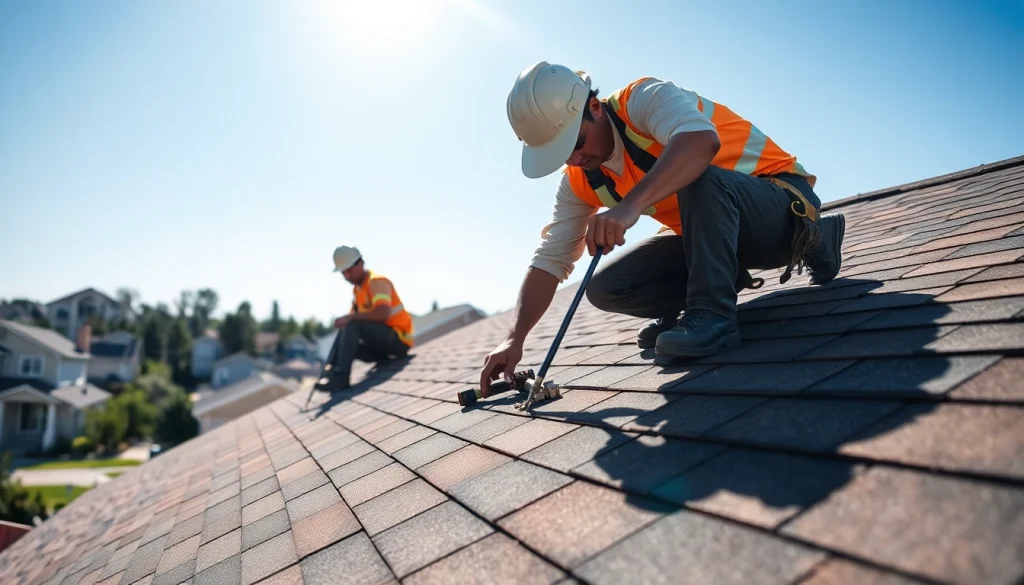
Scheduling regular roof inspections with your roofing contractor alongside seasonal maintenance is critical to extend your roof’s lifespan. Inspections can identify issues such as cracked flashing, loose seams, or damaged vents, allowing for timely repairs.
Finding the Right Contractor for Your Roofing Needs
Choosing the right contractor can significantly influence the quality of your roofing solution. Here’s how to ensure you select the best:
Qualities of a Reputable Roofing Contractor
- Experience and Expertise: Look for contractors with a proven track record and specialized experience in the type of roofing material you want.
- Licensing and Insurance: Ensure the contractor is properly licensed and insured to protect yourself from liability in case of accidents that occur on your property.
Questions to Ask Before Hiring
When interviewing potential contractors, asking the right questions is essential to make an informed choice:
- Can you provide references from previous clients?
- What is your warranty on labor and materials?
- How will you handle unexpected issues during the project?
Understanding Contracts and Warranties
Before signing any contract, ensure you understand the terms and conditions. A good contractor should provide comprehensive contracts outlining the scope of work, projected timeline, payment terms, and warranty details. Do not hesitate to ask for clarification on any points that seem unclear.
Conclusion
Investing in high-quality roofing solutions is more than just a home improvement decision; it’s a crucial step for safeguarding your investment and ensuring the safety and comfort of your family. By understanding the importance of quality, exploring different types of roofing materials, and choosing a reputable contractor, you can ensure that your roof will stand the test of time, enhancing your home’s overall value and security.