
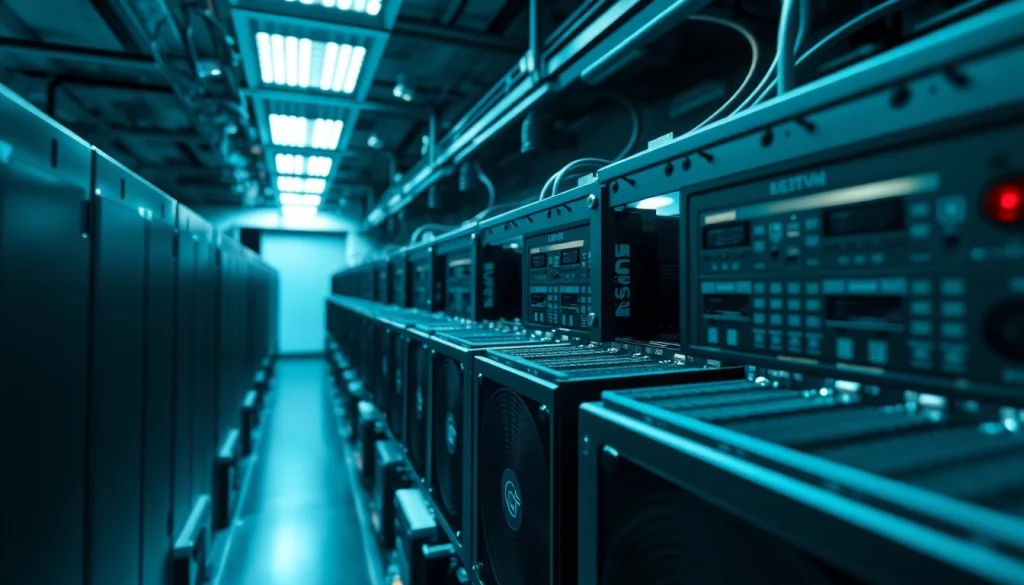
Understanding Bitcoin Mining
In recent years, bitcoin mining has garnered significant attention, transforming from a niche activity into a major industry. As the pioneer of cryptocurrencies, Bitcoin relies on a decentralized network to validate and secure transactions. At the heart of this process lies bitcoin mining, which serves as both a method to introduce new coins into circulation and a mechanism to maintain the integrity of the blockchain. This guide demystifies the concept of bitcoin mining, equipping you with the knowledge to navigate its complexities and understand its implications in 2025.
What is Bitcoin Mining?
Bitcoin mining is the process by which transactions are verified and added to the public ledger known as the blockchain. It involves the use of powerful computers that solve complex mathematical problems, a process known as proof of work. Miners compete to be the first to solve these puzzles; the winner gets to add a new block to the blockchain and is rewarded with a set number of bitcoins. This process not only facilitates transactions but also ensures the security and integrity of the Bitcoin network.
The Role of Miners in the Blockchain
Miners play a crucial role in maintaining the Bitcoin network. They validate transactions and confirm their accuracy, preventing fraud and ensuring that double-spending does not occur. By solving cryptographic puzzles, miners help maintain the decentralized nature of Bitcoin, as no centralized authority controls the network. In doing so, they contribute to a trustless environment where transactions can occur securely between parties who do not know each other.
Key Terminology and Concepts in Bitcoin Mining
- Hash Rate: The number of calculations a miner can perform per second. Higher hash rates increase the chances of successfully mining the next block.
- Difficulty: A measure of how hard it is to find a new block. The Bitcoin network adjusts this difficulty approximately every two weeks to ensure that blocks are added approximately every ten minutes.
- Mining Pools: Groups of miners who combine their computational power to increase their chances of earning rewards. Payouts are distributed based on each member’s contributed processing power.
- ASIC Miners: Application-Specific Integrated Circuits designed specifically for mining. They are significantly more efficient than general-purpose hardware.
Getting Started with Bitcoin Mining
For those interested in getting involved with bitcoin mining, it’s important to start with a solid understanding of the necessary hardware and software, as well as the mining landscape. Bitcoin mining has evolved, and choices made today can impact profitability and success.
Choosing the Right Mining Hardware
The choice of hardware is critical in mining operations. Miners can choose between several types of hardware, including CPUs, GPUs, FPGAs, and ASICs. ASIC miners are the most efficient and powerful option currently available. When selecting mining hardware, consider the hash rate, energy consumption, and price. Efficient miners can make a significant difference in a mining operation’s profitability.
Setting Up Your Mining Rig Efficiently
Once the hardware is acquired, setting up a mining rig requires attention to detail. Proper cooling solutions should be in place to prevent overheating, as these machines generate substantial heat. Additionally, ensure that your power supply unit (PSU) can handle the load from your hardware efficiently. An effective setup also involves choosing the right software that is compatible with your hardware and provides features such as real-time monitoring and automatic updates.
Mining Pools vs. Solo Mining: Which is Best?
Miners face a crucial decision: should they mine solo or join a mining pool? Solo mining requires substantial computational power and may take a significantly longer time to receive rewards, particularly in a competitive environment. Conversely, mining pools allow smaller miners to combine resources, increasing the chances of earning rewards more consistently. Choosing a mining pool with a transparent fee structure and a good reputation can make a significant difference in profitability.
Optimizing Bitcoin Mining for Profitability
As bitcoin mining becomes more competitive, it’s essential for miners to adopt strategies aimed at maximizing their profitability. This involves an analysis of various factors, including hardware, energy costs, and mining methods.
Evaluating Mining Software and Tools
Mining software plays an integral role in the efficiency and productivity of mining operations. Options range from basic command-line applications to sophisticated software with various features that enhance mining performance. Look for software that offers direct mining capabilities, pooling features, and user-friendly interfaces. Monitoring tools can also help optimize performance by providing real-time data on hash rates, temperatures, and energy consumption.
Calculating Profitability: Costs vs. Rewards
Miners must continuously evaluate the profitability of their operations. Key costs include the initial investment in hardware, electricity bills, and maintenance fees. An understanding of Bitcoin’s market price is also crucial, as fluctuating prices can significantly impact mining profitability. Utilizing profitability calculators can help miners determine whether their current operation is sustainable and when it might be time to upgrade equipment.
Strategies to Maximize Your Mining Revenue
To stay competitive, miners can adopt various strategies. These include regularly upgrading hardware as newer, more efficient models become available, optimizing energy consumption by selecting energy-efficient power solutions, and taking advantage of renewable energy sources when possible. Moreover, miners should keep an eye on market trends and adjust their operations accordingly to maximize potential earnings.
Common Challenges in Bitcoin Mining
Bitcoin mining is not without its hurdles. As the industry matures, miners must navigate a series of challenges that can affect their operations and profitability.
Addressing Environmental Concerns
Bitcoin mining has come under scrutiny for its environmental impact, primarily due to the immense energy consumption associated with the process. As the industry faces increasing pressure to mitigate its ecological footprint, many miners are exploring renewable energy sources such as solar and wind power. This shift not only addresses environmental concerns but can also lead to cost savings in electricity.
Dealing with Mining Difficulty Adjustments
The Bitcoin network adjusts its mining difficulty approximately every two weeks, which can affect miners’ ability to earn rewards. As more miners join the network, the difficulty increases, making it essential for existing miners to continually assess their operational efficiency and adapt to these changes. Understanding the historical patterns of difficulty adjustments can provide valuable insights for future planning.
Understanding Network Congestion and its Impact
Network congestion can influence transaction fees and confirmation times. As more users transact on the Bitcoin network, miners may find themselves in a position where their earnings from mining rewards are offset by high network fees. Miners must remain vigilant to market conditions and adjust their strategies to maintain profitability during periods of congestion.
Future Trends in Bitcoin Mining
The landscape of bitcoin mining is ever-evolving, and staying informed about upcoming trends is crucial for those involved in this industry.
The Rise of Renewable Energy in Mining
As environmental awareness increases, the adoption of renewable energy in bitcoin mining is likely to rise. Miners are beginning to recognize the long-term benefits of using sustainable energy sources, which not only reduces their environmental impact but can also stabilize energy costs. The transition toward greener mining practices may also influence new regulatory measures in the industry.
Technological Innovations in Mining Hardware
Technological advancements continue to shape the mining hardware landscape. Future innovations may include more efficient chips that consume less power and provide higher hash rates, as well as integrated systems that reduce dependency on external components. Keeping up with these developments will be essential for miners aiming to maintain their competitive edge.
Market Predictions for Bitcoin and Mining in 2025
While the future of Bitcoin remains speculative, market predictions suggest continued growth and adoption. Increased institutional interest and advancements in blockchain technology could lead to a surge in the price of Bitcoin, thereby enhancing the attractiveness of mining. However, these developments also bring increased competition, making it essential for miners to adapt their strategies and embrace new technologies to capitalize on opportunities in 2025 and beyond.