Introduction to Fly Fishing for Bass
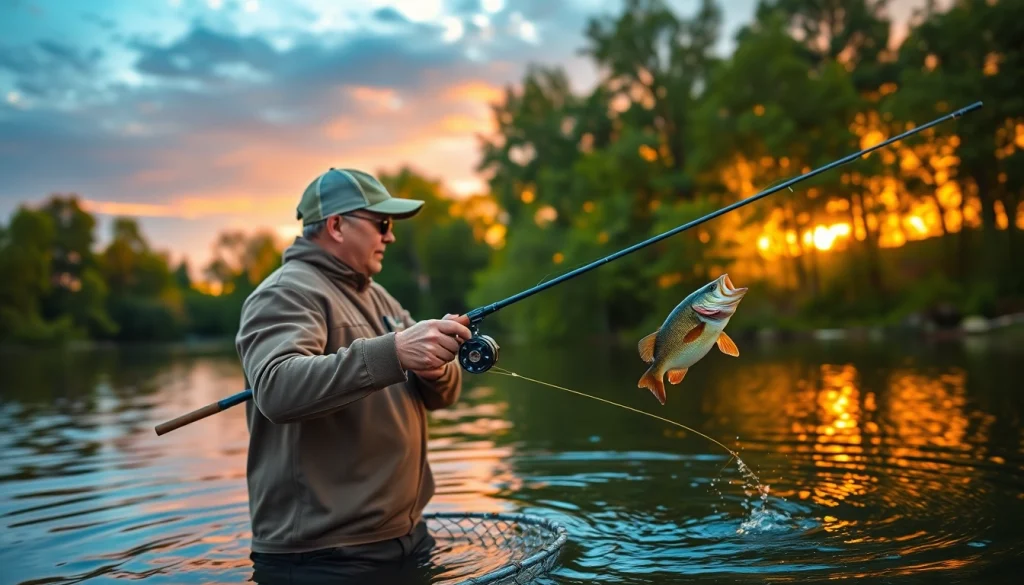
Fly fishing is often regarded as the pinnacle of fishing techniques, combining artistry, skill, and the thrill of angling into one spectacular package. Among various species available to enthusiasts, bass tops the list for many anglers, particularly for those who appreciate the challenge and excitement of catching these feisty fish using a fly rod. In this guide, we will explore fly fishing for bass in depth, covering everything from bass behavior to the best techniques and conservation practices. Whether you are a seasoned fly fisherman or a beginner looking to cast your first line, this comprehensive article will provide you with the insights needed to master the art of fly fishing for bass.
Understanding Bass Behavior
To effectively fish for bass, it is essential to understand their behavior, feeding patterns, and habitat preferences. Bass are known for their aggressive nature, making them a popular target among anglers. They are typically found in freshwater environments such as lakes, rivers, and ponds. Understanding the differences between species is crucial, as behavior can vary significantly between largemouth bass, smallmouth bass, and striped bass.
Popular Bass Species for Fly Fishing
The three primary species of bass that fly anglers pursue are:
- Largemouth Bass: Noted for their wide mouths and propensity to growth, largemouth bass are aggressive feeders that typically inhabit warm, shallow waters. They tend to be more active during warmer months and less so in colder temperatures.
- Smallmouth Bass: These bass thrive in cooler, clearer waters and are known for their fighting spirit. They are frequently found in rocky streams and rivers, often lurking near structure.
- Striped Bass: Striped bass can be found in both freshwater and saltwater environments, making them adaptable and opportunistic feeders. Their size and power present a thrilling challenge for fly fishermen.
Gear Basics for Beginners
To embark on your fly fishing adventure, having the right gear is vital. Beginners should consider the following essentials:
- Fly Rod and Reel: A 5 to 8-weight rod is typically recommended for bass, as it offers a balance between sensitivity and strength. Pair it with a matching fly reel that can hold sufficient backing and line.
- Fly Line: Floating line is ideal for bass, allowing you to present your flies at varying depths. Consider weight-forward lines for easier casting.
- Tippet and Leader: A sturdy leader made from fluorocarbon or monofilament provides invisibility in the water, while the tippet should be rated for the strength of the anticipated catch.
- Flies: As discussed in the following sections, selecting the right flies is crucial. Be sure to have a variety on hand to adapt to different conditions.
Choosing the Right Flies
Types of Flies Ideal for Bass
Choosing the right flies for bass fishing is a strategic decision that can significantly affect your success. The types of flies that work well include:
- Streamers: These mimic smaller fish and are effective in attracting aggressive bass. Popular streamers include Clouser Minnows and Woolly Buggers.
- Popper Flies: These surface flies create disturbances on the water, provoking a reaction from hungry bass. They are particularly effective during the warm months when bass are close to the surface.
- Wet Flies: These imitate insects or baitfish that are submerged. They are great for fishing when bass are not actively feeding on the surface.
Matching Flies to Conditions
Knowing how to match your flies to current conditions is essential for successful fishing. Factors to consider include:
- Water Clarity: In murky waters, use brighter flies to attract attention. In clear waters, opt for more natural colors.
- Time of Year: During the spawning season (spring), bass tend to be in shallower waters, which can influence your fly choice.
- Weather Conditions: On overcast days, choose darker flies while bright days call for natural hues that mimic baitfish.
Fly Selection Tips for Success
As you become more experienced, refining your fly selection will yield better results. Here are some tips:
- Keep a log of successful flies and conditions to identify patterns.
- Experiment with different retrieves; sometimes a fast strip works, while other times a slow, steady recovery is more effective.
- Don’t be afraid to switch flies frequently if the fish aren’t biting; adaptability is key.
Essential Techniques for Effective Casting
Basic Casting Techniques for Beginners
Mastering the casting technique is fundamental to fly fishing success. Beginners should focus on the following:
- Stance: Stand with your feet shoulder-width apart, balance your weight, and hold your rod at a 10 to 2 o’clock position during the backcast.
- Backcast and Forward Cast: Use wrist action to flick the rod, enabling the fly line to shoot out behind you before moving forward for the cast.
- Timing: Ensure your backcast is fully extended before moving into the forward cast for maximum distance.
Advanced Casting Strategies
As you gain confidence, you can explore advanced techniques such as:
- Roll Cast: Great for casting in tight spaces with limited backcasting room, this technique uses the water’s surface to propel the line.
- Double Haul: This involves using both hands to optimize casting distance and speed, making it indispensable in windy conditions.
- Presentation Casts: Learn how to soft-land your flies and allow them to drift naturally, emulating an insect or baitfish.
Incorporating Drift and Presentation
The way your fly moves through the water, also known as ‘drift’, is crucial in persuading a bass to bite. Techniques to improve your presentation include:
- Managing Line Slack: Minimize slack line during a drift to ensure a sharp hookset when a bass bites.
- Varying Retrieval Speed: Experiment with different speeds and pauses in your retrieve to find what triggers a response from the fish.
- Reading the Water: Look for areas where bass are likely to ambush prey, such as structures, weed beds, or current seams.
Locations and Gear Setup
Identifying Prime Bass Fishing Spots
Finding the right location can elevate your fishing experience. Key habitats to consider include:
- Weed Beds: Bass often hide among weeds for cover, making them great places to cast.
- Drop-offs: These submerged ledges create varying depths, where bass may be actively feeding.
- Rocky Structures: Points, boulders, and logs provide ideal ambush points for bass and are often rich in forage.
Optimal Weather Conditions for Fly Fishing
Weather can significantly affect bass behavior and feeding patterns. While many anglers prefer sunny days, consider these points:
- Cloud Cover: Overcast conditions often result in active feeding, making for a more productive day on the water.
- Wind: Light wind can help conceal your movements and create ripple patterns that attract fish, while strong winds can make casting difficult.
- Temperature: Bass are cold-blooded and become more active in warmer temperatures, making early morning or late evening ideal.
Setting Up Your Gear for Success
Properly setting up your gear will enhance your casting and overall fishing efficiency. Here are some crucial considerations:
- Line Setup: Ensure you have the right leader length and tippet diameter based on your fly size and expected bass size.
- Fly Storage: Keep your flies organized in an easily accessible tackle box to save time when switching patterns.
- Proper Knots: Familiarize yourself with essential knots such as the improved clinch or double surgeons knot to secure your flies reliably.
Maintenance and Conservation Practices
Proper Handling of Caught Bass
To ensure healthy releases and conservation of the bass population, it is vital to handle fish properly:
- Wet Your Hands: Always wet your hands before handling a fish to protect their slime coating.
- Minimize Fight Time: Use appropriate tackle to land fish quickly, reducing stress.
- Release Carefully: Handle the fish gently and avoid touching their gills or eyes.
Maintaining and Caring for Your Equipment
Proper maintenance keeps your gear in optimal condition, ensuring longevity and performance:
- Clean Your Rod and Reel: Rinse your gear thoroughly after each use, particularly in saltwater.
- Inspect Line and Flies: Regularly check your fly line for nicks and your flies for damage to prevent losing fish.
- Store Properly: Store your equipment in a cool, dry place away from direct sunlight to avoid deterioration.
Conservation Efforts in Bass Fishing
Contributing to the preservation of bass habitats ensures that future generations can enjoy fly fishing. Ways you can help include:
- Practice Catch and Release: Limit the number of fish taken from the water to help sustain the population.
- Participate in Cleanups: Join local groups focused on preserving fishing habitats and cleaner waterways.
- Support Conservation Organizations: Consider donating to or volunteering with local clubs dedicated to fishing conservation initiatives.
Understanding the intricacies of fly fishing for bass opens up a world of excitement and connection to nature. By mastering the techniques outlined in this guide—from understanding bass behavior to selecting the right flies and practicing responsible fishing—anglers can enhance their experience while contributing positively to the ecosystem.