
Introduction to Wineries in Clarksburg
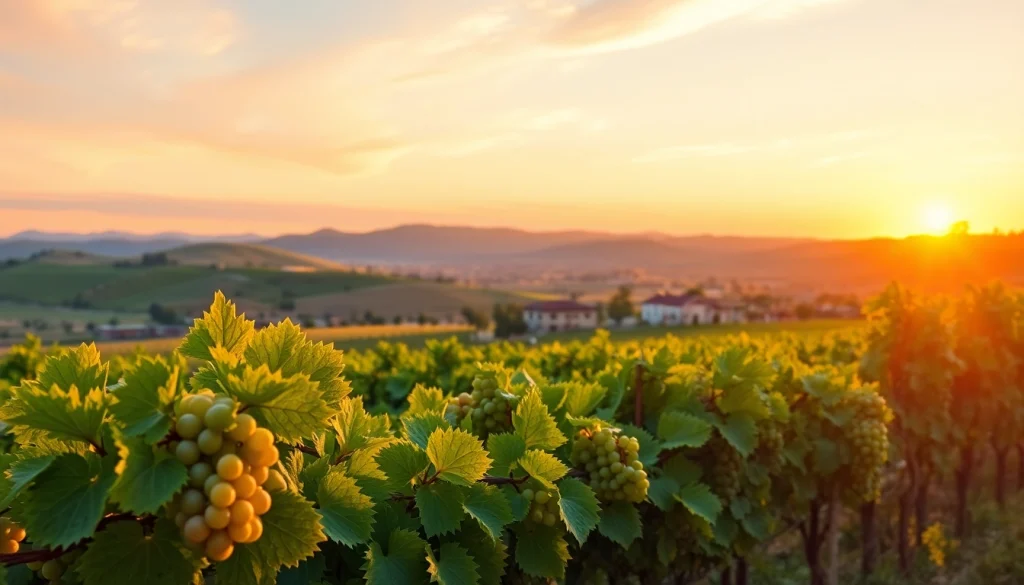
Nestled along the banks of the Sacramento River, Clarksburg is a hidden gem for wine lovers seeking a unique tasting experience. Known for its rich soil, ideal climate, and a diverse array of varietals, this region has solidified its place among California’s noteworthy wine areas. From family-owned vineyards to larger commercial wineries, the wineries in Clarksburg offer something for every palate, making it a must-visit destination for wine enthusiasts.
What Makes Clarksburg a Wine Destination?
What sets Clarksburg apart from other wine regions? First and foremost, its distinctive terroir. The fertile soil enriched by the nearby river and a Mediterranean climate makes it an excellent location for growing premium grape varieties. Furthermore, the area boasts a tight-knit community of winemakers who prioritize sustainable practices, ensuring not only quality wines but also environmental stewardship.
Clarksburg’s wineries are often overshadowed by their more famous counterparts in Napa and Sonoma, but this allows them to offer a more intimate tasting experience with personal attention. Many of these wineries are family-owned, fostering a sense of commitment to quality and tradition.
The History of Winemaking in Clarksburg
Winemaking in Clarksburg dates back to the 19th century, with settlers recognizing the potential of the region for agricultural pursuits. The area’s first vineyards were planted during the Gold Rush, attracting immigrants who brought their winemaking traditions with them. Over the decades, Clarksburg evolved, and today it stands as a testament to a rich history interwoven with modern winemaking practices.
In the late 20th century, the Clarksburg Wine Region was officially designated a wine appellation, further paving the way for the growth of wineries in the area. Thanks to this rich heritage, visitors can explore not only the current flavors of Clarksburg wines but also the stories that have shaped them.
Unique Characteristics of Clarksburg Wines
Clarksburg wines are characterized by their unique flavor profiles that speak to the region’s terroir. The combination of sandy loam and river soil, coupled with a climate that experiences both cool breezes from the delta and warm summer days, results in grapes with exceptional ripeness and acidity. Here, you’ll find varietals such as Chardonnay, Sauvignon Blanc, and Syrah, each showcasing distinct characteristics that are true to their vineyard origins.
Moreover, Clarksburg’s winemakers are embracing innovation while respecting traditional methods, which allows for a diverse selection of wines. The conscious approach to viticulture in Clarksburg encourages experimentation, leading to exciting wines that are worth exploring.
Top Wineries to Visit in Clarksburg
Exploring the wineries in Clarksburg is more than just tasting wine—it’s an experience steeped in community, tradition, and innovation. Here are some of the top wineries you shouldn’t miss.
Highlighting Local Favorites
Clarksburg boasts numerous wineries, each with its unique story and offerings. One standout is Bokisch Vineyards, which specializes in Spanish varietals like Garnacha and Albariño. Their commitment to sustainable agriculture and organic practices allows them to produce wines that genuinely reflect the terroir. Visitors can enjoy guided tours and tastings that highlight their innovative approach to winemaking.
Another local favorite is Rivino Winery, known for its elegantly crafted wines and picturesque setting. Their estate-grown grapes produce a range of varietals, including award-winning Zinfandel and Cabernet Sauvignon. Rivino offers a relaxed tasting experience, encouraging guests to savor each sip while taking in the sights of the vineyard.
Family-Owned vs. Commercial Wineries
When it comes to wineries in Clarksburg, visitors often find themselves choosing between family-owned estates and larger commercial operations. Family-owned wineries, such as Fonz de la Rosa Winery, offer a personalized experience, often led by family members who share intimate knowledge about the wines and the vineyard’s history.
In contrast, larger commercial wineries may provide a range of experiences, from extensive tasting rooms to large-scale events. While both types of wineries have their merits, many wine enthusiasts appreciate the authentic touch and storytelling found in family-owned establishments. Regardless of your preference, both contribute to the rich tapestry of Clarksburg’s viticultural scene.
Tasting Experiences and Tours
Tasting experiences in Clarksburg vary widely, ranging from intimate tastings in cozy settings to larger, organized events that cater to groups. Most wineries offer guided tours that provide insights into the winemaking process, from grape cultivation to bottling.
You might begin your visit with a vineyard tour, where knowledgeable staff can explain the different grape varietals grown on their estate. Following the tour, guests typically participate in a guided tasting, where they can sample a selection of wines paired with local cheeses or charcuterie.
For those interested in learning more about the nuances of wine tasting, some wineries offer educational workshops, teaching visitors how to discern various wine notes and pair them with foods. These immersive experiences are ideal for both novices and seasoned wine aficionados.
Wine Varietals from Clarksburg
The diversity of wines produced in Clarksburg caters to a broad audience with varying preferences. Clarksburg is notably celebrated for its white wine varietals, particularly Chardonnay and Sauvignon Blanc, but there’s a lot more to explore.
Signature Varietals to Explore
Clarksburg’s signature varietals include:
- Chardonnay – Often characterized by its bright acidity and fresh fruit flavors, Clarksburg’s Chardonnays can range from crisp and clean to rich and buttery.
- Sauvignon Blanc – This varietal thrives in Clarksburg’s climate, producing wines with vibrant citrus notes and herbaceous qualities that pair well with light dishes.
- Syrah – Known for its bold flavors and spicy finish, Clarksburg Syrah offers depth and complexity, making it a favorite among red wine lovers.
- Zinfandel – With a robust character and berry-rich profiles, Clarksburg Zinfandel often captures the essence of California’s winemaking heritage.
Each varietal expresses the Clarksburg terroir uniquely, allowing wine enthusiasts to discover a diverse range of flavors and styles.
Food Pairing Recommendations
Understanding how to pair food with wine can elevate any dining experience. Here are some recommended pairings for Clarksburg wines:
- Chardonnay: Try it with roasted chicken, creamy pasta, or grilled vegetables, as the wine’s acidity complements rich flavors.
- Sauvignon Blanc: This wine goes well with seafood, goat cheese, or salads with citrus dressings, enhancing the freshness of these dishes.
- Syrah: Pair this red wine with barbecued meats, lamb, or hearty stews for an unforgettable experience.
- Zinfandel: A great match for pizza, burgers, and spicy barbecue, Zinfandel’s fruitiness contrasts beautifully with smoky flavors.
By experimenting with these pairings, guests can enjoy Clarksburg wines in new and exciting ways.
Understanding the Terroir
The concept of terroir is essential to understanding the profile of Clarksburg wines. Terroir refers to the unique environmental factors that influence the growth of grapes, including soil composition, climate, and geographical location. In Clarksburg, the warm summer temperatures complemented by cool delta breezes help grapes develop pronounced flavors and aromatic qualities.
The rich soils, often a mixture of sandy loam and clay, contribute to vigorous vine growth and the development of complex wines. Cultivating grapes in harmony with the land allows winemakers to produce wines that tell the story of their origins, making each sip a reflection of Clarksburg’s unique landscape.
Planning Your Visit to Wineries in Clarksburg
Visiting wineries in Clarksburg can be a delightful adventure. Proper planning ensures that you make the most of your tasting experience and enjoy everything the region has to offer.
Best Times to Visit
While Clarksburg can be enjoyed year-round, the best times to visit are during the spring and autumn months. Spring brings blooming vineyards and mild weather, while autumn features harvest season, where visitors can witness the grape collection and even participate in grape stomps and harvest festivals. These seasons are perfect for enjoying outdoor tastings and events as wine country bursts into life.
Summer, although hot, also offers extensive outdoor experiences, while winter may present challenges due to rain, though it’s a good time for quieter visits and indoor tastings without the crowds.
Transportation and Accessibility
When planning your visit to Clarksburg, considering transportation options is vital. While having a personal vehicle is convenient, many wineries offer shuttle services or guided tours that can take the stress out of logistics. If you prefer a more flexible visit, consider hiring a driver for the day or using ride-sharing apps to ensure a safe tasting experience.
Additionally, many wineries are located within a short distance of each other, making biking a popular and sustainable option for the adventurous. Remember to pre-book any tours or tastings, especially during peak visiting seasons, to secure your spot.
Events and Festivals to Look Out For
Clarksburg hosts various events and festivals that celebrate its winemaking culture. One of the most anticipated is the Clarksburg Wine & Art Festival, held annually to showcase the region’s wines alongside local artists, creating a vibrant community atmosphere.
In addition, many wineries also host seasonal events such as harvest festivals, food and wine pairings, and live music nights that provide visitors with a chance to experience the local culture while enjoying excellent wines. Be sure to check winery calendars for special events during your visit!
Engaging with the Clarksburg Wine Community
Engaging with the Clarksburg wine community enriches your experience and fosters a deeper appreciation for the area’s winemaking heritage. Here’s how you can become a part of it.
Wine Clubs and Memberships
Joining a wine club can be an excellent way to engage more intimately with Clarksburg wineries. Many wineries offer memberships that provide exclusive access to limited releases, special tastings, and even invitations to winery events. Clubs often feature a monthly or quarterly shipment of wines, along with tasting notes that help educate members about the nuances of each varietal.
Moreover, being part of a wine club allows you to connect with staff and fellow wine enthusiasts, enhancing your understanding of the winemaking process and offering insights that go beyond the bottle.
Supporting Local Businesses
Supporting local wineries means investing in the community and its economy. By purchasing wines directly from Clarksburg wineries, you contribute to the sustainability of local businesses that prioritize environmentally friendly practices. Additionally, many wineries collaborate with local farmers and artisans, so your support extends beyond wine to other regional producers, helping create a more interconnected and thriving community.
Online Resources and Social Media Presence
Today’s wine lovers can stay connected with Clarksburg wineries through various online resources, including websites and social media platforms. Most wineries actively share updates on events, new releases, and tasting room hours on their social accounts. Following these wineries not only keeps you informed but also provides a glimpse into the lives of the family owners and winemakers, enhancing your appreciation for their craft.
Various online forums and local wine blogs discuss Clarksburg’s wineries, offering reviews and information to guide your travels. Engaging in these communities can help you discover hidden gems and get recommendations tailored to your preferences.