
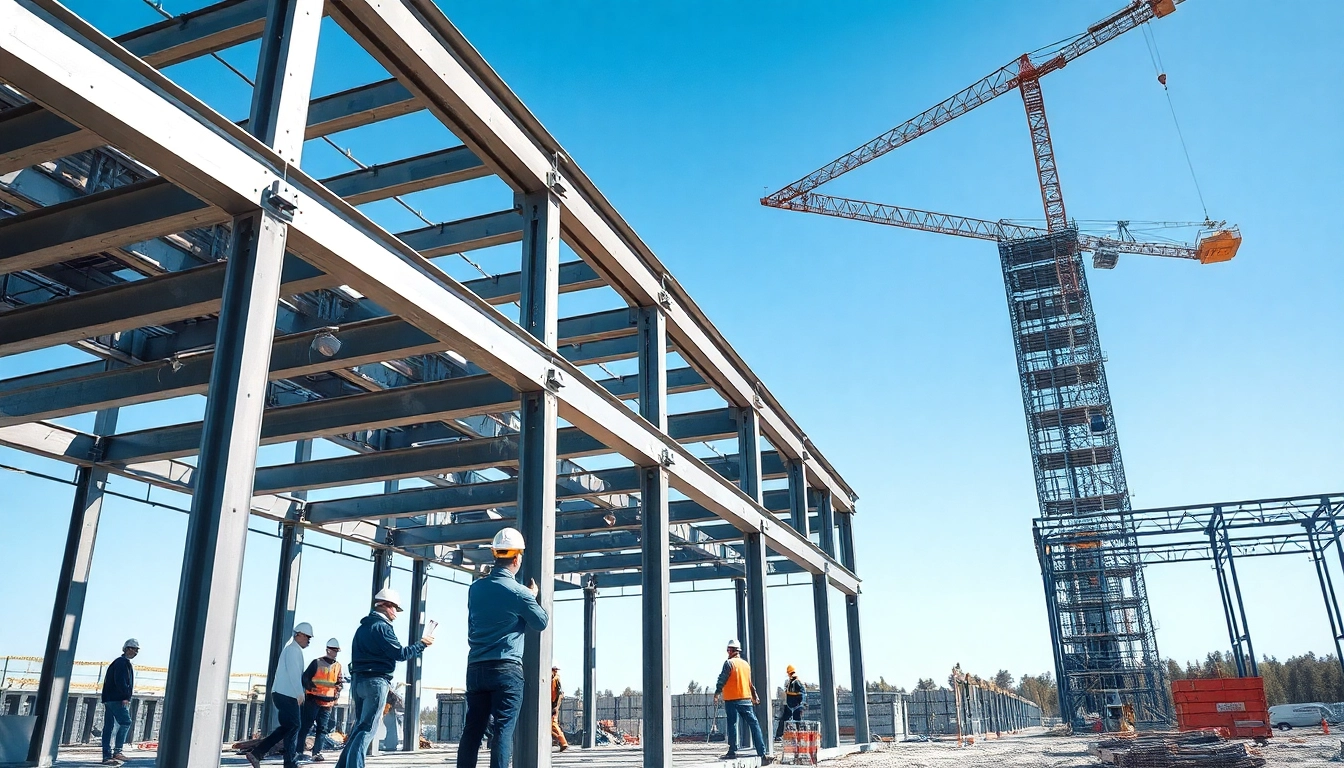
Understanding Structural Steel Construction
Structural steel construction refers to the use of steel as a fundamental material in the structural framework of buildings and other infrastructure. It is a method that yields durable, robust structures with the ability to withstand considerable loads and various environmental challenges. Given its importance, companies specializing in structural steel construction are at the forefront of engineering and architecture innovation. This method is widely preferred for a variety of applications due to its long-lasting performance and versatility.
What is Structural Steel Construction?
Structural steel construction involves integrating steel into the design and build process of various structures, ensuring stability, safety, and efficiency. Steel’s unique properties – such as high tensile strength and flexibility – make it an ideal alternative to traditional materials like wood and concrete. It consists of various steel products, including beams, columns, and trusses, which together create a skeleton that enables the structure to bear significant physical loads.
Moreover, structural steel can be prefabricated, allowing for faster construction times and increased precision compared to traditional methods. The fabrication process often takes place in a controlled environment, reducing errors and enhancing quality control.
Key Advantages of Structural Steel
The use of structural steel comes with numerous advantages. Below are some of the most notable:
- Strength-to-weight ratio: Steel has a high strength-to-weight ratio, allowing for the construction of lighter yet stronger structures.
- Durability: Structural steel is resistant to various environmental factors, including rot and termites, which are common with wood.
- Design flexibility: Steel can be molded into various shapes and sizes, providing architects and engineers the flexibility to innovate their designs.
- Speed of construction: The prefabrication of steel components leads to quicker assembly times on-site, significantly reducing construction schedules.
- Cost-effectiveness: Despite the initial investment being higher than other materials, the longevity and lower maintenance needs of steel often result in reduced life-cycle costs.
Common Applications of Structural Steel
Structural steel is prevalent in diverse construction projects, showcasing its versatility. Common applications include:
- High-rise buildings, where steel frames provide necessary support.
- Bridges that utilize steel’s strength to span large distances.
- Industrial buildings, including factories and warehouses that require large open spaces without interspersed columns.
- Commercial complexes, where aesthetic considerations intersect with functional design.
- Residential buildings, particularly in urban environments where space optimization is vital.
Design Considerations in Structural Steel Projects
Effective design is critical in structural steel projects, influencing performance, safety, and aesthetics. Several key considerations guide this process.
Choosing the Right Steel Grades
Steel grades vary significantly in terms of strength, ductility, and weldability. Selecting the appropriate grade is essential based on the specific requirements of the project, such as:
- Load requirements: Heavier loads necessitate higher strength grades.
- Environmental conditions: Corrosion-resistant grades are crucial in harsh environments.
- Design specifications: Unique architectural designs may require specific steel properties.
Commonly used structural steel grades include ASTM A36 for general purposes, A992 for structural steel frames, and A572 for high-strength applications.
Designing for Load-Bearing and Stability
Structural engineers must ensure that designs can adequately support anticipated loads, including dead loads (permanent/static loads) and live loads (temporary/dynamic loads). Employing principles of structural analysis helps engineers determine the most efficient shapes and configurations, ensuring both load-bearing capacity and stability.
Innovative tools such as software for finite element analysis (FEA) allow engineers to run simulations on designs, predicting performance under various load conditions, thus optimizing safety protocols before actual construction begins.
Innovative Design Trends in Steel Construction
Contemporary trends in structural steel construction emphasize sustainability, efficiency, and aesthetics. Key innovations include:
- Modular construction: Using prefabricated units improves efficiency and reduces waste.
- BIM technology: Building Information Modeling allows enhanced collaboration among architects and engineers, leading to better-informed design decisions and streamlined workflows.
- Sustainable design: Incorporating recycled materials and green building practices aims to minimize the environmental impact of steel construction.
These trends not only heighten the efficiency of construction projects but also cater to growing environmental concerns and client preferences for innovative design.
Construction Processes in Structural Steel
The construction of structural steel frameworks is a meticulous process that involves several critical steps from preparation to quality control.
Preparation and Fabrication Steps
The preparation phase begins with detailed project specifications. Critical steps include:
- Site surveys: Assessment of site conditions provides essential information that informs design and construction strategies.
- Fabrication: In a controlled environment, steel components are cut, shaped, and treated (e.g., galvanizing for corrosion resistance) to meet precise specifications.
- Assembly checks: Pre-assembly checks ensure all components fit correctly before arriving on site.
Quality assurance during fabrication ensures that only competent and reliable materials are utilized, setting the stage for successful construction.
Assembly and Erection Techniques
Once fabricated components arrive on-site, they are assembled using various techniques depending on project requirements. Common methods include:
- Welding: A primary method for joining steel components, providing strong, permanent bonds.
- Bolting: Often utilized for ease of assembly and disassembly, allowing some flexibility in construction.
- Use of cranes: Heavy-duty cranes are essential for lifting and positioning large components accurately in place.
Post-assembly inspections ensure that the structure conforms to engineering specifications and safety standards.
Quality Control Measures
Quality control in structural steel construction is vital in maintaining safety and performance standards throughout the building process. Effective measures include:
- Material testing: Rigorous testing for material strengths and properties ensure compliance with relevant codes and standards.
- Construction inspections: Regular on-site inspections throughout the construction process verify adherence to design specifications and safety guidelines.
- Documentation and records: Keeping comprehensive documentation supports future maintenance and any necessary modifications.
The commitment to quality control culminates in the successful completion of projects that are safe, durable, and efficient.
Challenges in Structural Steel Construction
Even with its advantages, structural steel construction faces several challenges. Understanding these challenges helps mitigate risks and guide strategic planning.
Managing Safety Risks
Safety remains a paramount concern in construction projects. Common risks in structural steel construction include:
- Falling objects during assembly, which can be mitigated by comprehensive safety training and equipment.
- Injury from tools or equipment mishandling presents significant risks to workers.
- Structural collapses due to inadequate load analysis can have serious consequences.
Implementing stringent safety protocols, utilizing personal protective equipment (PPE), and providing workforce training are crucial steps toward minimizing these risks.
Adapting to Environmental Regulations
As environmental consciousness grows, adherence to regulations on emissions and waste is becoming increasingly critical in construction. Structural steel projects must comply with:
- Local building codes that dictate materials and methods permissible within geographical boundaries.
- Environmental regulations that ensure projects minimize pollution and environmental disturbance.
- Safety regulations regarding noise and water quality throughout construction.
Staying informed about these regulations and implementing sustainable practices can enhance project credibility and reduce potential legal liabilities.
Addressing Market Fluctuations
The construction industry frequently faces economic shifts impacting material costs, labor availability, and project timelines. Strategies to navigate these fluctuations include:
- Long-term contracts with material suppliers can stabilize costs and supply chains.
- Diversifying sourcing options to mitigate risks associated with single suppliers.
- Implementing flexible project timelines that can adapt to unexpected delays in materials or labor.
Proactively managing market fluctuations can lead to more resilient project management practices and sustainable business models.
Future of Structural Steel Construction
Looking ahead, the future of structural steel construction is likely to be shaped by innovative technologies and a growing emphasis on sustainability.
Emerging Technologies in Steel Fabrication
The integration of technology into steel fabrication processes has transformed the industry. Notable advancements include:
- 3D printing technology: Used for creating complex designs that were previously challenging to achieve, enhancing efficiency and customization.
- Robotic automation: Robotics in manufacturing and assembly can increase precision and speed, reducing labor costs and timeframes.
- Digital fabrication: Embracing software solutions for automated designs can improve accuracy and minimize errors during production.
These technologies not only streamline production but also pave the way for innovative approaches to design and construction.
Sustainability Practices in Steel Construction
Sustainability continues to be a focal point in construction. Structural steel construction is adapting through practices such as:
- Using recycled steel: Utilization of recycled materials significantly reduces the carbon footprint associated with steel production.
- Energy-efficient designs: Incorporating renewable energy sources and energy-efficient systems within buildings minimizes long-term environmental impact.
- Sustainable sourcing: Opting for locally sourced steel gears toward reducing transport emissions.
The shift toward sustainability within the construction sector enhances public image and meets the demands for eco-friendly practices.
Growth Trends in the Construction Industry
As urbanization increases and technology evolves, the construction industry anticipates continued growth. Key trends contributing to this growth include:
- Increased investment in infrastructure development, particularly in emerging economies.
- Heightened demand for smarter buildings equipped with advanced technologies for safety and efficiency.
- A rise in prefabrication and modular construction methods, changing traditional workflow approaches.
Adapting to these growth trends can provide businesses with opportunities for expansion and leadership in the evolving construction landscape.