
Understanding the Best Back Loofah
What is a Loofah?
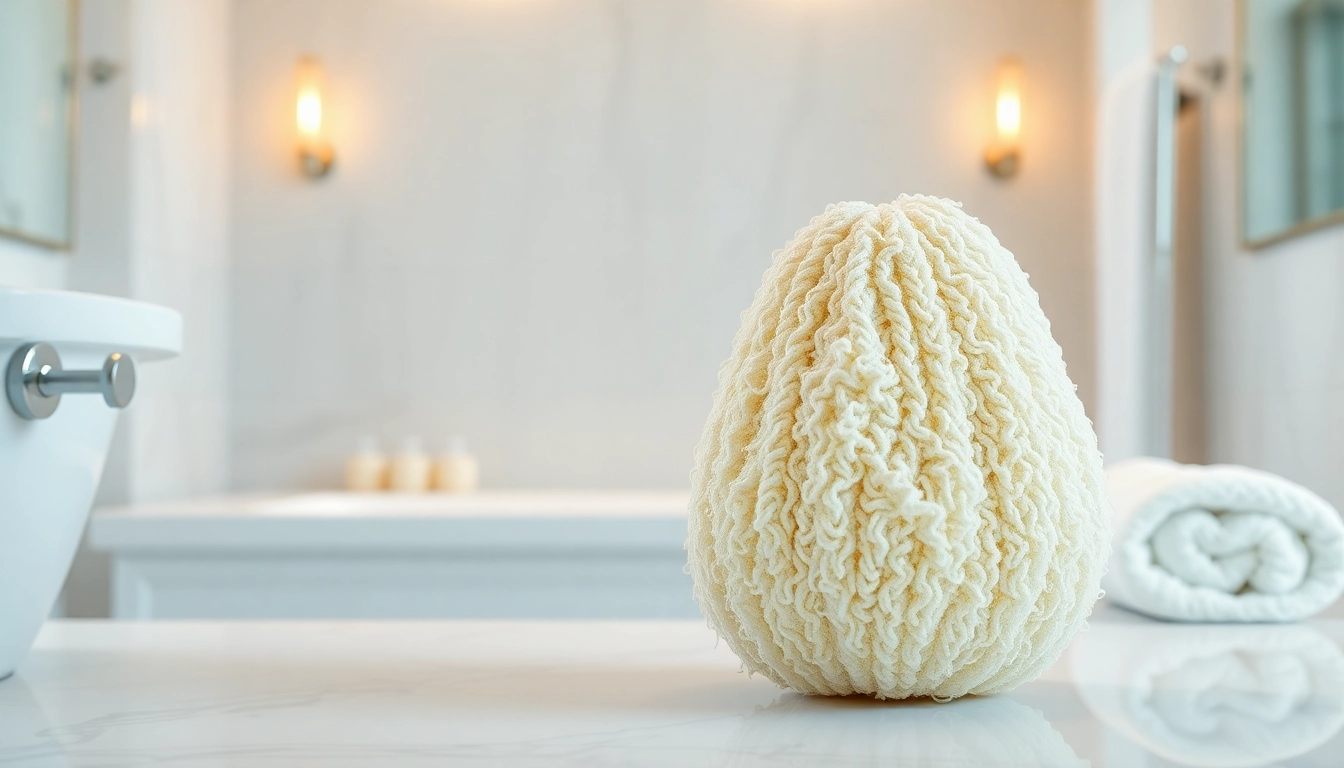
A loofah, often referred to as luffa or loofa, is a natural exfoliating sponge derived from the fruit of the luffa plant, which is part of the cucumber family. This unique plant undergoes a drying process where the outer skin is removed, leaving the fibrous skeleton that is used in both bath and spa settings. Aside from the traditional natural loofah, there are synthetic options made from materials like nylon that serve a similar purpose. Regardless of the material, the primary function of a loofah is to cleanse and exfoliate the skin, making it smoother and invigorated.
Why Choose a Back Loofah?
Cleaning and exfoliating your back can be a challenging task due to its difficult-to-reach areas. A back loofah is specifically designed to help in these situations. Its extended handle or size allows you to comfortably scrub your back, improving personal hygiene and skin health. Moreover, many people find that integrating a back loofah into their bathing routine enhances their experience by providing a spa-like feeling at home. Therefore, if you seek effective skin care solutions, finding the best back loofah can be a worthwhile investment.
Key Features of Effective Loofahs
When selecting a back loofah, consider these key features to ensure an optimal experience:
- Material: Both natural loofahs and synthetic options have unique benefits. Natural loofahs are biodegradable and environmentally friendly, while synthetic versions can offer enhanced durability and ease of cleaning.
- Exfoliation Level: Different loofahs have varying levels of grit. For sensitive skin, gentler options are recommended, while tougher skin may require a more abrasive loofah to effectively exfoliate.
- Size and Structure: A good back loofah should have an adequate size and structure to reach every corner of your back while being easy to hold and maneuver.
- Durability: Consider how well the loofah holds up over time, especially after multiple cleanings. Fading or degrading of material can indicate a loofah that won’t last long.
Benefits of Using the Best Back Loofah
Improved Skin Health
Regular use of a back loofah can significantly enhance skin health. The exfoliation it provides helps remove dead skin cells, reducing the risk of clogged pores and acne. Additionally, regular scrubbing can improve blood circulation, promoting healthier skin overall. For those prone to dry skin or flakiness, a loofah can help restore moisture balance by eliminating the top layer of dead skin, allowing moisturizers to penetrate better.
Enhancing Your Bathing Routine
Integrating the best back loofah can elevate your bathing routine to a luxurious experience. The textured surface provides a gentle but effective massage, which not only feels pleasant but can also relax muscle tension. Many users report feeling invigorated and refreshed after using a loofah, as it stimulates the skin and can even elevate one’s mood. This addition to your bathing rituals can transform an ordinary shower into an indulgent self-care session.
Eco-Friendly Options Available
Today’s consumers are becoming increasingly conscious of their environmental footprints. Fortunately, many brands now offer sustainably sourced or natural loofahs, which are biodegradable and free from synthetic materials. These eco-friendly options offer a guilt-free way to enjoy the benefits of a loofah while contributing to environmental conservation. Choosing an eco-conscious back loofah allows you to indulge in self-care while staying responsible toward nature.
How to Use the Best Back Loofah
Preparation Tips
Before using your back loofah, it’s essential to prepare it properly. If you are using a natural loofah, soak it in warm water for a few minutes to soften its fibers. This step helps prevent skin irritation and improves the effectiveness of exfoliation. For synthetic loofahs, rinse to remove any manufacturing residues. You may wish to use an antibacterial soap to cleanse your loofah periodically to ensure hygiene.
Best Shower Practices
When using a back loofah, begin your shower with warm water to help open up your pores. Apply your favorite body wash directly onto the loofah or on your skin, and then gently scrub your back in circular motions. Make sure to vary the pressure based on your comfort level, adjusting the amount of scrubbing to cater to areas that may require more attention. Remember to rinse thoroughly not only to remove soap but also any dead skin and debris loosened during scrubbing.
Post-Use Care
After using your back loofah, it’s essential to care for it properly. Rinse it under warm water to remove any residual soap or skin particles. Squeeze it gently to eliminate excess water, then hang it in a well-ventilated area to dry completely. Ensuring that it dries properly can help prevent mold and bacteria growth. Depending on the material, you may also want to periodically wash it in a gentle detergent or replace it regularly for optimal cleanliness.
Common Misconceptions About Loofahs
Are Loofahs Safe for All Skin Types?
While loofahs can be beneficial for most skin types, those with particularly sensitive or easily irritated skin should proceed with caution. It’s advisable to conduct a patch test before comprehensive use, ensuring the loofah is appropriate for personal skin sensitivities. If irritation occurs, consider selecting a gentler exfoliation method.
Do Loofahs Promote Skin Irritation?
Loofahs, when used correctly, do not inherently promote skin irritation. However, excessive scrubbing, using a harsh loofah material, or applying too much pressure can cause skin issues. It’s important to listen to your body and adjust your scrubbing intensity accordingly.
Can Loofahs Cause Skin Infections?
Improper care of loofahs can lead to skin infections. Bacteria can breed in damp loofahs if they aren’t dried sufficiently. Regular cleaning and proper storage can mitigate this risk, ensuring that your loofah remains hygienic and safe for use.
Choosing the Right Loofah for Your Needs
Material Options
When selecting a back loofah, consider the material. Natural loofahs made from the luffa plant offer an eco-friendly option but may require more maintenance to keep clean. Conversely, synthetic loofahs often have designed textures that cater to specific needs, such as gentle exfoliation for sensitive skin, providing a versatile option based on individual preference.
Size and Shape Considerations
The appropriate size and shape of a back loofah are key in effectively addressing personal needs. A loofah with a longer handle enables easier reach to all parts of your back, reducing strain during use. Additionally, larger loofah surfaces can cover more skin area, making your bathing routine more efficient.
Where to Buy Quality Loofahs
Quality loofahs can be purchased from health and beauty stores, natural product retailers, and even online platforms. Always opt for reputable sellers to ensure you receive a product that meets safety and quality standards. Reading reviews and checking ingredient lists can also guide you in choosing the best option for your needs.
FAQs
1. How often should I replace my loofah?
It is advisable to replace your loofah every 4-6 weeks, especially if it shows signs of wear or has an unusual odor.
2. Can I use a loofah on my face?
It’s best to avoid using a traditional loofah on the face as it’s too abrasive. Instead, opt for gentler facial exfoliating tools.
3. What’s the best way to clean my loofah?
Rinse thoroughly after each use, soak in a vinegar solution weekly, and ensure it dries completely to prevent bacteria growth.
4. Are synthetic loofahs as effective as natural ones?
Yes, synthetic loofahs can be very effective, especially if designed for specific skin types or exfoliation levels, offering durability.
5. Should I use soap with my loofah?
Yes, using a mild soap or body wash with your loofah enhances the exfoliating process, leading to smoother skin.