
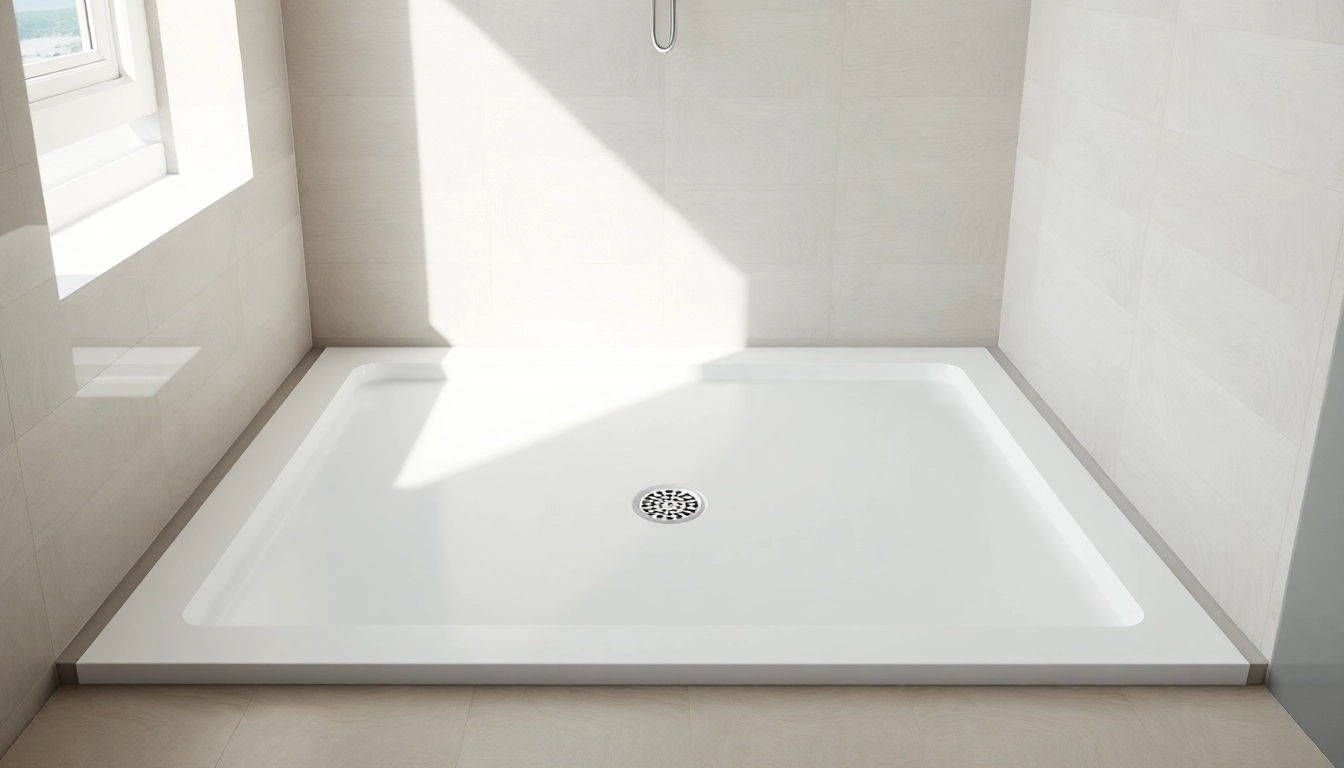
Understanding the Importance of a Shower Base
A shower base is an integral component of any modern bathroom. Servicing as the foundational element for your shower, it plays a crucial role in both function and aesthetics. This article delves into the vital functions of a shower base, the materials available, and dispels common misconceptions surrounding this essential fixture.
Key Functions of a Shower Base
The primary function of a shower base is to contain water and prevent it from leaking into the rest of the bathroom. It effectively directs water towards the drain while ensuring a slip-resistant surface for safety. Moreover, a well-designed shower base can enhance the overall aesthetic of your bathroom, serving as a stylish base for tiles or other decorations. Key functions include:
- Water management: Directs water to drains, preventing leaks.
- Surface support: Provides a sturdy base for additional materials and tiles.
- Safety: Offers a slip-resistant surface to reduce accidents.
- Ease of maintenance: Simplifies cleaning due to its surface design.
Choosing the Right Material for Your Shower Base
The material of a shower base significantly impacts its durability, maintenance, and appearance. Common materials include:
- Acrylic: Lightweight, easy to install, and resistant to mold. However, it may scratch more easily than other materials.
- Fiberglass: Affordable and lightweight, but can become discolored over time.
- Tile: Provides a customizable aesthetic and durability but requires more maintenance.
- Stone: Offers a luxurious look but tends to be heavier and requires a strong substructure.
When selecting a material, consider factors such as budget, desired aesthetic, and maintenance capabilities.
Common Misconceptions About Shower Bases
There are several misconceptions regarding shower bases that can lead to poor decisions:
- All shower bases are the same: Ignoring differences in materials and designs can be detrimental.
- They don’t require maintenance: Like all bathroom fixtures, shower bases need regular cleaning to prevent damage.
- Custom sizes are unnecessary: Many bathrooms have unique layouts that can benefit from custom solutions.
Correcting these misconceptions is essential for choosing the right shower base for your needs.
Different Types of Shower Bases Available
Shower bases come in various types and styles, each with their special characteristics. Understanding these options can help you make an informed choice that complements your bathroom design and meets your practical needs.
Standard vs. Custom Shower Bases
Standard shower bases are ready-made units that fit typical shower dimensions. They come in various materials and are generally less expensive and easier to install. However, they might not fit non-standard spaces effectively. Custom shower bases, on the other hand, are tailored to fit unique dimensions and layouts. They can be more expensive but ensure a perfect fit and can be designed to complement other bathroom features.
Comparing Acrylic and Fiberglass Shower Bases
Acrylic and fiberglass are two popular materials for shower bases. Acrylic bases are known for their longevity and scratch resistance, while fiberglass is more economical but may be prone to discoloration. When choosing between the two, consider factors like durability, appearance, and maintenance:
- Acrylic: Ideal for long-term investments due to its robustness.
- Fiberglass: A budget-friendly option suitable for short-term use or temporary setups.
Both materials have their pros and cons, and the choice should align with your specific needs and budget.
Popular Sizes and Shapes of Shower Bases
Shower bases come in an array of sizes and shapes to suit varying bathroom dimensions. Common shapes include square, rectangular, and neo-angle. The size should be selected based on your bathroom layout and personal preferences:
- Square: Ideal for small spaces and efficient water drainage.
- Rectangular: Common in larger bathrooms and versatile in design.
- Neo-angle: Perfect for corner installations where space is limited.
Careful consideration of size and shape is vital to ensure functionality and aesthetic appeal.
Installation Process of a Shower Base
The installation of a shower base requires precision and the right tools. A well-executed installation enhances water management and prolongs the lifespan of the shower base.
Essential Tools and Materials Needed
Before starting the installation process, gather the necessary tools and materials:
- Shower base
- Concrete or mortar for support
- Level
- Trowel
- Measuring tape
- Silicone sealant
- Plumber’s putty
- Drill
- Cement board or backer board (if required)
Using the correct tools ensures a smoother installation experience.
Step-by-Step Installation Guide
Installing a shower base involves several crucial steps:
- Prepare the area: Clean the subfloor and ensure it’s level.
- Dry fit the base: Place the shower base without securing it to check alignment and fit.
- Secure the base: Apply a mortar bed or silicone under the base before pressing down firmly.
- Attach drain fittings: Connect the drain and plumbing according to the provided instructions.
- Seal the edges: Use silicone sealant to prevent moisture infiltration.
- Final checks: Ensure the base is level and securely in position.
Common Mistakes to Avoid During Installation
Even qualified DIYers can make mistakes during installation. Here are common pitfalls to avoid:
- Skipping the leveling process can lead to water pooling.
- Not allowing enough cure time for mortar before using the shower.
- Failing to securely connect drain fittings, leading to leaks.
- Omitting the application of sealant around the edges.
By avoiding these mistakes, you can ensure a successful installation that stands the test of time.
Maintaining Your Shower Base for Longevity
Proper maintenance of your shower base is crucial for longevity and performance. Regular care can prevent damage and keep your bathroom looking fresh.
Daily Cleaning Tips for Your Shower Base
To keep your shower base in top condition, implement daily cleaning practices, such as:
- Wiping down the base after each use to prevent soap scum buildup.
- Using a mild cleaner recommended for your base material.
- Avoiding abrasive cleaning tools that may scratch surfaces.
- Rinsing the base thoroughly to remove all cleaning residue.
These simple steps can significantly prolong the life of your shower base.
Dealing with Common Issues in Shower Bases
Even with proper care, you may encounter issues. Some common problems include:
- Cracks: Usually result from pressure; these can be repaired with epoxy.
- Discoloration: Often from mineral buildup; use vinegar for removal.
- Drainage problems: Check for clogs or improper slope; clear any obstructions.
Addressing these issues promptly can save time and costs in the long run.
When to Replace Your Shower Base
Over time, even the best-maintained shower bases may require replacement. Signs that it may be time to replace your shower base include:
- Severe cracks or breaks.
- Persistent drainage issues that cannot be resolved.
- Extensive mold growth despite routine cleaning.
- Significant discoloration or damage from water exposure.
Knowing when to replace your shower base can help maintain the integrity of your bathroom.
Frequently Asked Questions About Shower Bases
What is the typical lifespan of a shower base?
The lifespan of a shower base can vary, with acrylic and fiberglass lasting around 10-20 years, while tile or stone showers can last much longer with proper maintenance.
Can I install a shower base myself?
Yes, many DIYers can successfully install a shower base with the right tools and guidance. However, proper attention to detail is crucial, especially with the plumbing and drainage aspects.
What materials are the most durable for shower bases?
Acrylic and stone shower bases are considered very durable. Acrylic is resistant to mold and scratching, while stone offers a luxurious and long-lasting option when properly maintained.
How do I ensure proper drainage in my shower base?
Proper drainage can be ensured by ensuring the shower base is installed level and angled correctly towards the drain. Regular maintenance checks can also prevent clogs from forming.
Are shower bases available in custom sizes?
Yes, many manufacturers offer custom shower bases, allowing you to perfectly fit your space, especially in uniquely shaped bathrooms or when replacing existing units.