
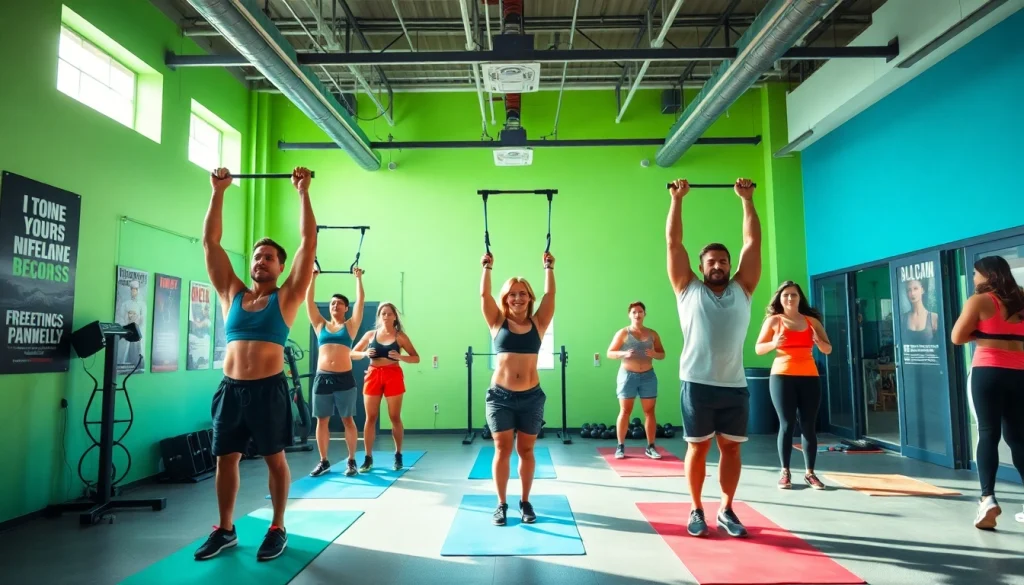
Understanding Assisted Pull-Up Bands
Assisted pull-up bands have emerged as a revolutionary tool in the world of fitness, particularly for those looking to build upper body strength. These bands are designed to provide support during pull-up exercises, making them accessible for beginners and valuable for experienced athletes alike. As many fitness enthusiasts strive to achieve their first unassisted pull-up, these bands offer a practical solution to bridge the gap between current capabilities and fitness goals. When exploring options, assisted pull-up bands come in various sizes and strength levels, providing an opportunity to tailor your workout according to your progress.
What Are Assisted Pull-Up Bands?
Assisted pull-up bands are elastic resistance bands that help individuals perform pull-ups by reducing the weight they need to lift. Typically made from durable rubber or latex, these bands come in various thicknesses and lengths, allowing users to select the appropriate level of assistance. By attaching the band to a pull-up bar and placing either the knees or feet in it, exercisers can significantly lessen the load, making the movement easier and more manageable.
How Do They Function in Strength Training?
The mechanics behind assisted pull-up bands involve the principle of accommodating resistance. When you pull down on the bar, the band stretches, offering progressive support throughout your lift. This support enables you to work on your pull-up strength without the risk of failing mid-repetition, which is especially helpful for beginners. Additionally, as you become stronger, you can choose bands with less resistance, gradually leading to unassisted pull-ups.
Benefits of Using Assisted Pull-Up Bands
- Build Strength: These bands facilitate important strength-building exercises that target the upper body muscles, including the back, shoulders, and arms.
- Improve Technique: Assisted bands allow users to focus on proper form and posture, ensuring they perform pull-ups correctly.
- Gradual Progression: The variety of band strengths enables users to tailor their workouts to their physical capabilities, promoting steady improvement.
- Increased Confidence: By making pull-ups more achievable, users often find a boost in confidence, encouraging them to push their limits further.
- Versatile Use: Beyond pull-ups, these bands can also be utilized for various exercises including dips and push-ups, making them a versatile addition to any workout routine.
Choosing the Right Assisted Pull-Up Bands
Factors to Consider When Selecting Bands
When selecting assisted pull-up bands, consider several critical factors such as your current fitness level, the type of resistance offered by different bands, and the material quality. Look for bands that are made from high-quality rubber or latex to ensure durability throughout your training. Additionally, consider the length of the band; longer bands may provide more versatility for various exercises.
Common Weight Ratings Explained
Assisted pull-up bands are typically rated by the amount of assistance they provide, which is measured in pounds or kilograms. Common ratings include:
– Light bands (up to 15 lbs): Ideal for beginners or those focused on light assistance.
– Medium bands (15-35 lbs): Suitable for individuals who are nearing their first unassisted pull-up.
– Heavy bands (35-100 lbs): Best for experienced users looking to maintain form during more advanced training.
Tailoring Bands to Your Fitness Level
Understanding your fitness level is essential when selecting the correct band. For beginners, starting with a heavier band can help build strength and confidence. As your capability increases, transitioning to lighter bands enables more challenging workouts that promote muscle growth and endurance.
Techniques for Effective Use of Assisted Pull-Up Bands
How to Properly Set Up Assisted Pull-Up Bands
Setting up your assisted pull-up band is straightforward. Begin by securing the band around the pull-up bar. Make sure it’s taut and adequately positioned to support your knees or feet. Stand under the bar, insert your feet or knees into the loop, and grip the bar with an overhand grip. Ensure your hands are shoulder-width apart to maintain balance and optimize your pull-up form.
Exercises You Can Do with Assisted Pull-Up Bands
While pull-ups are the primary exercise associated with these bands, numerous other exercises can enhance your overall strength. Consider incorporating:
- Band-Assisted Dips: Place the band under your knees while performing dips to reduce resistance.
- Band Rows: Secure the band to a stable anchor and perform rows for back strength.
- Band Squats: Use the band for added resistance during squats by placing it under your feet.
Common Mistakes to Avoid While Using Bands
To maximize the benefits of assisted pull-up bands, avoid common pitfalls such as:
- Incorrect Band Placement: Ensure the band is securely attached to prevent slippage during use.
- Overreliance on Bands: While they provide assistance, focus on gradually reducing reliance to achieve unassisted pull-ups.
- Poor Form: Prioritize maintaining proper form to prevent injury and ensure effectiveness.
Integrating Assisted Pull-Up Bands into Your Routine
Creating a Balanced Workout Plan
Incorporating assisted pull-up bands into your fitness regimen can significantly enhance strength training. Aim to combine pull-up exercises with other movements targeting various muscle groups for a balanced routine. Include lower body exercises, core strengthening, and cardiovascular training for optimal results.
Tracking Progress with Assisted Pull-Up Bands
Monitoring your progress is vital to understanding your strength development. Keep a workout journal documenting the band used, the number of sets and reps completed, and any changes in resistance over time. This will help you visualize your progress and motivate you to continue working towards your goals.
Adjusting Resistance for Advanced Training
As your strength improves, it’s essential to adjust the resistance provided by your bands. Gradually transition to lighter bands to continue challenging your muscles. This approach not only enhances muscle growth but also prepares you for unassisted pull-ups.
Future Trends in Assisted Pull-Up Bands
Innovations in Fitness Equipment for 2026
As the fitness industry evolves, expect to see advancements in the technology and material of assisted pull-up bands. Enhanced durability, adjustable resistance levels, and smart technology integration could become standard, allowing users to track their workouts via mobile applications. These innovations would further support personalized training experiences.
Growing Popularity in Home Gym Setup
The burgeoning trend of home gyms is likely to enhance the demand for versatile fitness equipment like assisted pull-up bands. Their compact design and multi-functional use make them an ideal choice for those looking to maximize workout efficacy in limited spaces.
Expert Predictions on Resistance Training
Experts anticipate a continued shift towards resistance training as a primary focus in fitness routines. Incorporating tools like assisted pull-up bands will likely gain traction due to their versatility and effectiveness in promoting strength development across various demographics, including beginners, athletes, and fitness enthusiasts.