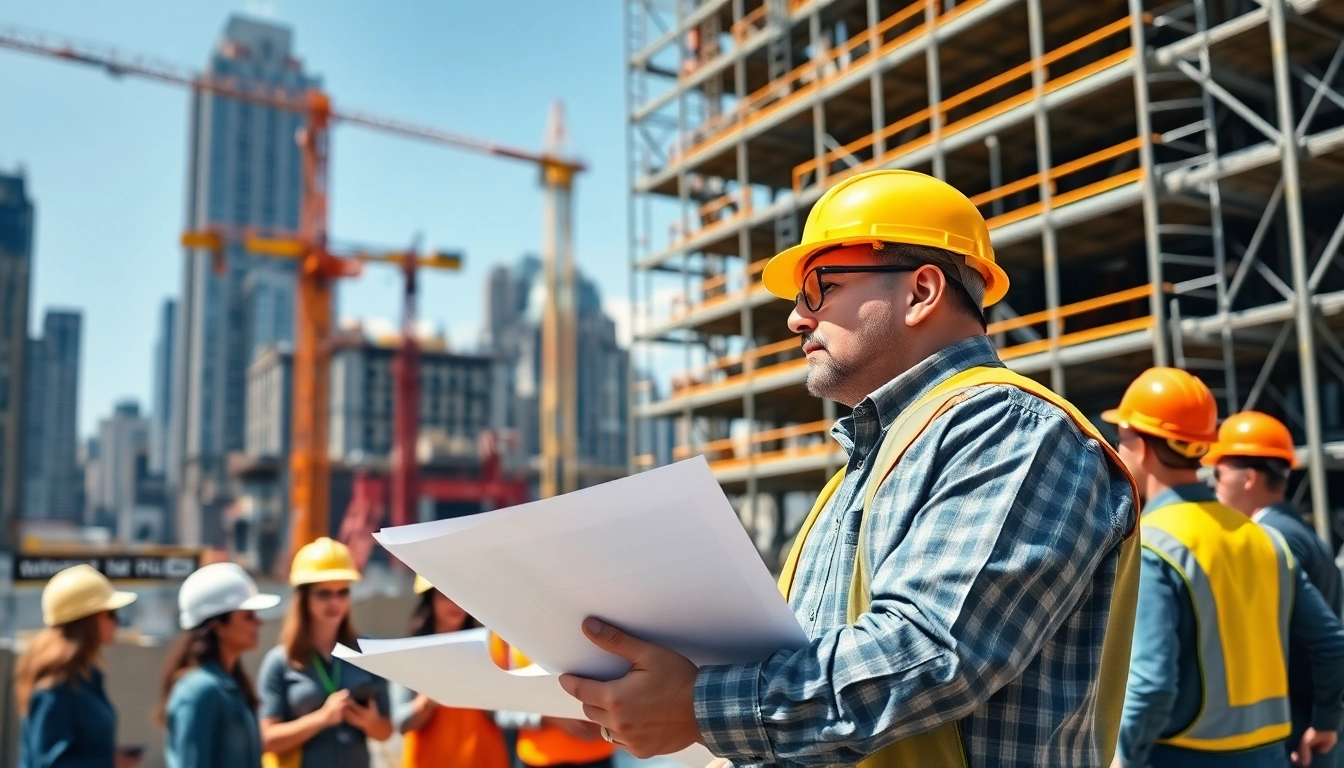
Understanding Construction Design Services
Construction design services encompass a broad range of responsibilities aimed at integrating design and construction processes to deliver successful projects. These services blend the creative aspects of design with the technical know-how required for constructing buildings and infrastructure. Engaging a professional team for construction design services can significantly elevate the quality, efficiency, and success of a project, whether it involves residential, commercial, or mixed-use developments.
What Are Construction Design Services?
Construction design services involve the planning, designing, and execution of a construction project. The process typically begins with conceptual designs and moves through detailed planning, technical specifications, building analyses, and culminates in the construction itself. The essential aspect of these services is their collaborative nature, ensuring that design intentions align perfectly with the construction methodologies utilized.
Importance of Professional Design in Construction
Professional design is crucial in construction for several reasons. First, it addresses aesthetic considerations, ensuring that the final structure satisfies both functional requirements and visual appeal. Secondly, it directly impacts the project timeline and budget; proper design minimizes costly changes during the construction phase. Additionally, professionally designed projects adhere to local building codes and regulations, enhancing safety and compliance. Overall, involving design specialists can lead to innovative solutions, improved workflows, and better overall project outcomes.
Key Components of Construction Design Services
The key components of construction design services include:
- Conceptual Design: This initial phase focuses on understanding the client’s needs and creating preliminary designs that reflect those requirements.
- Detailed Planning: At this stage, more comprehensive drawings and specifications are developed, which will guide the construction effort.
- Regulatory Compliance: Professional designers ensure all designs meet local regulations, codes, and safety standards.
- Collaboration: Coordinating with contractors, engineers, and any other stakeholders to guarantee all design intents are executable.
- Project Management: Overseeing the construction phase to ensure alignment with the original designs, managing schedules, budgets, and quality control.
How to Choose the Right Construction Design Services
Selecting the right construction design service is pivotal for the success of a project. This decision can influence not only the outcome but also the efficiency and satisfaction throughout the process.
Evaluating Potential Service Providers
When evaluating potential service providers, consider their experience level, industry reputation, and area of expertise. Ask for client testimonials and references to gauge their reliability and quality of work. A well-documented portfolio showcasing past projects similar to yours can provide insights into their design style and capability.
Questions to Ask Before Hiring
Before finalizing a service provider, ask specific questions such as:
- What is your design process, and how will you involve me in it?
- Can you provide references from similar projects?
- How do you handle revisions and changes during the project?
- What measures do you implement to ensure compliance with local regulations?
- What is the estimated timeline and total cost for my project?
Assessing Portfolio and Case Studies
Reviewing a provider’s portfolio is essential. Look for case studies that detail their approach, challenges faced, and how they achieved successful outcomes. This assessment can show their problem-solving skills, creativity, and the quality of their delivered projects.
Common Challenges in Construction Design Services
Amidst the complexities of construction design services, several challenges can arise that hinder project efficiency or quality.
Managing Client Expectations
One of the prevalent challenges is managing client expectations. Clients often have specific visions for their projects, which may not always align with budgetary constraints or realistic timelines. Clear communication from the outset can help guide expectations to a more achievable level.
Coordination Between Design and Construction Teams
Another significant challenge is the need for effective coordination between design and construction teams. Miscommunication can lead to delays and additional costs. Regular meetings and updates between teams ensure alignment and address any issues promptly.
Addressing Budget Constraints
Budget constraints are a common hurdle. It’s vital for designers to work within the established budget while still achieving the client’s goals. Creative problem-solving, such as material substitutions or phased construction, can help maximize resources without sacrificing quality.
Best Practices for Effective Construction Design Services
Implementing best practices can enhance the effectiveness of construction design services, minimizing challenges and improving results.
Incorporating Sustainable Design Principles
Sustainability is increasingly important in modern construction. Incorporating sustainable design principles can reduce environmental impacts and lead to long-term cost savings. Strategies may include using eco-friendly materials, enhancing energy efficiency, and improving water utilization.
Utilizing Technology in Design Processes
Technology plays a pivotal role in today’s design processes. Utilizing Building Information Modeling (BIM) and advanced software allows for more accurate designs, enhanced collaboration, and improved project management. These tools help visualize the final product before construction begins, reducing errors and rework.
Maintaining Clear Communication with Stakeholders
Effective communication is vital for successful project outcomes. Keeping all stakeholders informed throughout the design and construction phases fosters collaboration and helps mitigate concerns before they escalate into larger issues.
Future Trends in Construction Design Services
As the construction industry evolves, several trends are shaping the future of design services.
Adaptation to Technological Advances
The integration of technology continues to rise, with tools like virtual reality (VR) and augmented reality (AR) becoming more mainstream. These technological advancements allow clients to engage with their projects in innovative ways, providing immersive experiences that aid in design decisions.
Emerging Design Trends in Residential and Commercial Spaces
Trends such as open-plan spaces, multi-functional areas, and minimalist designs are gaining popularity in residential and commercial projects. Designers must adapt to changing preferences while maintaining functionality and aesthetic appeal.
The Role of Sustainability in Shaping Future Designs
As the focus on sustainable practices grows, designers must craft solutions that balance environmental responsibilities with client desires. The demand for green buildings is expected to rise, making sustainability a core consideration in future design services.
Frequently Asked Questions
1. What are construction design services?
Construction design services refer to the planning, designing, and executing of building projects, ensuring all elements align with regulations and client expectations.
2. Why is professional design important?
Professional design is vital for ensuring aesthetic appeal, compliance with codes, and minimizing costly changes during construction.
3. How do I choose the right service provider?
Evaluate providers based on experience, client reviews, their portfolio, and specific questions addressing your project needs.
4. What challenges can arise during construction design?
Common challenges include managing client expectations, coordinating design and construction teams, and adhering to budget constraints.
5. What trends are shaping the future of construction design?
Adaptation to advanced technology, sustainability focus, and emerging design trends like open-plan layouts are key trends influencing future designs.