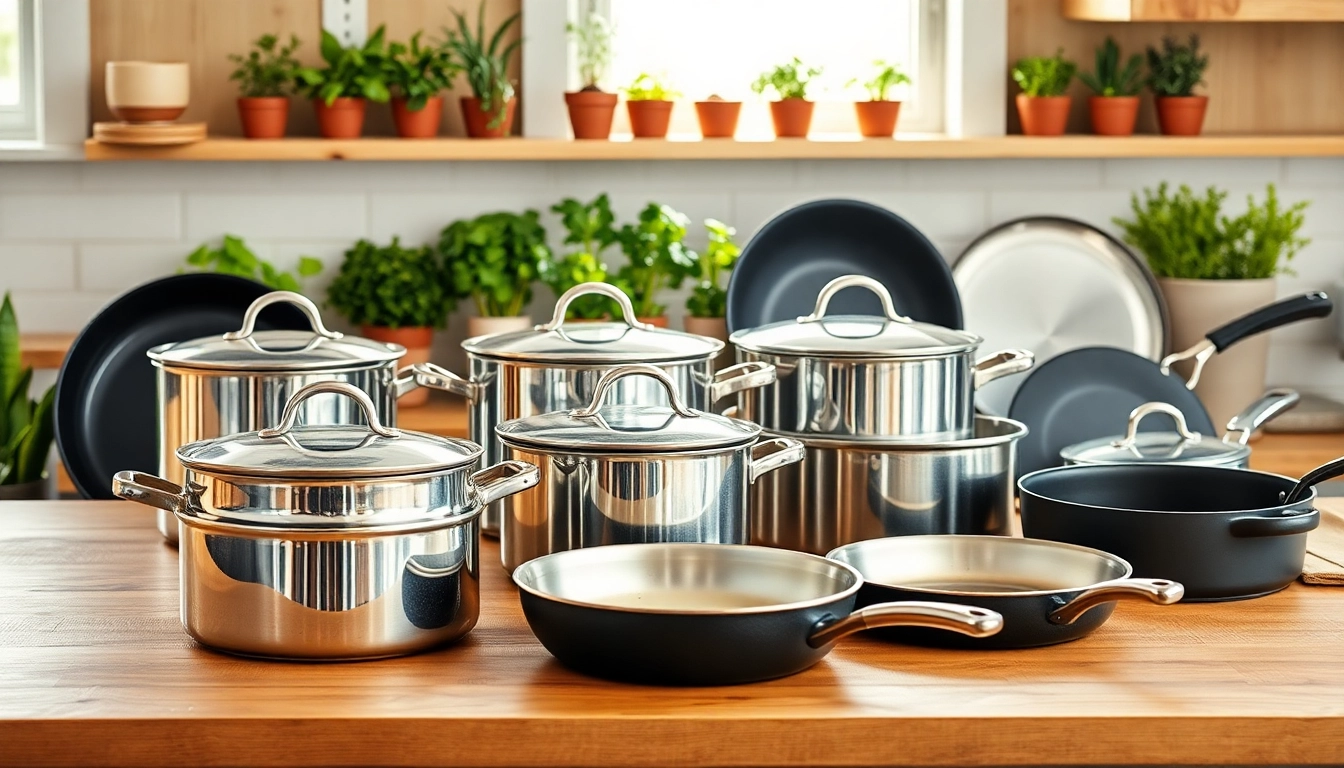
Understanding Cookware Materials
Types of Cookware Materials
When selecting cookware, understanding the materials is vital to achieving excellent cooking results. The most common materials used in cookware include:
- Stainless Steel: Known for its durability and non-reactivity, stainless steel cookware is ideal for browning and braising. It distributes heat evenly, allowing for precise temperature control.
- Nonstick: This type offers easy food release and cleaning. It is perfect for low-fat cooking but requires careful handling to avoid scratching the coating.
- Cast Iron: Renowned for excellent heat retention and distribution, cast iron cookware can be used for a wide range of cooking techniques. However, it requires regular seasoning to maintain its non-stick quality.
- Copper: Highly conductive, copper cookware provides rapid temperature adjustments, making it ideal for delicate sauces, but requires frequent polishing to maintain appearances.
- Carbon Steel: Similar to cast iron but lighter, carbon steel develops a natural nonstick surface when seasoned properly, making it great for frying and sautéing.
Advantages and Disadvantages of Each Material
Each cookware material has its own set of pros and cons that can influence your cooking style:
Stainless Steel
- Advantages: Non-reactive, versatile, and durable.
- Disadvantages: Poor heat conduction unless bonded with copper or aluminum.
Nonstick
- Advantages: Easy to clean and requires less oil.
- Disadvantages: Limited lifespan if not cared for properly; not suitable for high-heat cooking.
Cast Iron
- Advantages: Affordable, excellent heat retention, and adds iron to food.
- Disadvantages: Heavy and requires maintenance to prevent rust.
Copper
- Advantages: Superior heat conductivity.
- Disadvantages: Reactive with acidic foods; requires polishing.
Carbon Steel
- Advantages: Lightweight and similar to cast iron in performance.
- Disadvantages: Needs seasoning and can be prone to rust.
How to Choose Based on Cooking Style
Your cooking style should heavily influence your cookware choices. If you often prepare delicate sauces, copper or stainless steel will serve you well. Nonstick pans are essential for low-fat cooking, while cast iron is perfect for hearty, slow-cooked meals. Always consider your comfort and experience level with the material to ensure a satisfying cooking experience.
Essential Cookware Pieces for Every Kitchen
Key Items Every Cook Should Own
No kitchen is complete without a few essential pieces of cookware that can handle a multitude of tasks. Here is a list of must-haves:
- Skillet/Frying Pan: An essential for sautéing, frying, and browning foods. Both stainless steel and nonstick variants are useful.
- Stockpot: Ideal for boiling pasta, making soups, and preparing large meals.
- Saucepan: Perfect for simmering sauces and boiling grains.
- Stock/Pasta Pot: Specifically designed to hold larger volumes of liquid for soups and pasta.
- Roasting Pan: Ideal for cooking meats and vegetables in the oven.
Specialized Cookware: When Is It Necessary?
While standard items will cover most cooking needs, certain specialized cookware can enhance specific culinary techniques. For example:
- Wok: Perfect for stir-frying due to its shape and excellent heat distribution.
- Griddle: Ideal for making pancakes or grilling sandwiches.
- Pressure Cooker: Saves time by cooking food faster while retaining moisture and flavor.
- Dutch Oven: Fantastic for slow cooking, stews, and bread baking.
How to Organize Your Cookware Efficiently
Keeping your cookware organized enhances efficiency in the kitchen. Here are a few tips:
- Group similar items together, such as pots and pans.
- Use pot racks or shelves for easy access to frequently used cookware.
- Consider drawer dividers to separate lids from the pots.
- Store heavier items at the bottom of cabinets and lighter ones above to prevent accidents.
Care and Maintenance of Cookware
Cleaning Guidelines for Different Materials
Caring for your cookware properly extends its life and maintains performance:
- Stainless Steel: Clean with warm, soapy water; use baking soda for tough stains.
- Nonstick: Avoid metal utensils; clean with soft sponges; never use abrasive cleaners.
- Cast Iron: Rinse with hot water; avoid soap; season after every few uses.
- Copper: Polish regularly, and clean with vinegar or lemon juice mixed with salt.
- Carbon Steel: Similar to cast iron; ensure it's dried thoroughly after washing.
Storage Tips to Preserve Cookware Quality
Store your cookware in a way that prevents scratches and damage:
- Stack pans with protective liners or cloth to avoid scratching.
- Use pot lids or dividers to keep items organized and prevent chips.
- Store cookware in a cool, dry place to avoid moisture damage and rust.
Signs Your Cookware Needs Replacement
Regularly inspect your cookware for signs that it might need replacing. Key indicators include:
- Peeling or scratching in nonstick coatings.
- Rust spots on cast iron or stainless steel.
- Warped or dented surfaces affecting performance.
- Discoloration that cannot be remedied, indicating wear and tear.
Choosing Nonstick Cookware
Benefits of Nonstick Cookware
Nonstick cookware has become incredibly popular due to its numerous benefits:
- Reduces the need for oil, making meals healthier.
- Easier clean-up, saving time after cooking.
- Food slides off easily, improving cooking performance.
Safe Use and Care of Nonstick Coatings
To maximize your nonstick cookware’s lifespan, follow these care instructions:
- Use low to medium heat to prevent damage to the nonstick surface.
- Avoid metal utensils; use silicone or wooden tools instead.
- Wash with mild soap and a soft sponge to prevent scratches.
Common Myths About Nonstick Cookware
Several myths surround nonstick cookware that may lead to misunderstandings:
- Myth: Nonstick cookware is not safe for cooking at all. Fact: When used correctly, it is perfectly safe.
- Myth: Nonstick cookware cannot be used on high heat. Fact: It can be used but should be monitored carefully.
- Myth: All nonstick coatings are chemically harmful. Fact: Many nonstick cookware options are now PFOA-free and safe.
Upgrading Your Cookware: Trends and Innovations
Latest Trends in Cookware Design
As cooking technology evolves, so do cookware designs. Key trends include:
- Hybrid materials that combine stainless steel with nonstick surfaces for added versatility.
- Cookware designed with built-in thermometers to help monitor cooking temperatures.
- Ergonomically designed handles for comfort and safety.
Eco-Friendly and Sustainable Cookware Options
Consumers are increasingly looking for eco-friendly cookware options. Sustainable materials now include:
- Recycled aluminum cookware, which has a low environmental impact.
- Non-toxic ceramic coatings that contain no harmful chemicals.
- Bamboo utensils paired with eco-friendly cookware for complete sustainability.
Investing in High-Quality Cookware: Is It Worth It?
Quality cookware can be an investment for serious home chefs. Higher-priced items tend to offer:
- Better heat retention and distribution, leading to improved cooking results.
- Increased durability, often lasting years longer than cheaper alternatives.
- Enhanced performance, making cooking a more enjoyable experience.
Frequently Asked Questions
What type of cookware is best for everyday use?
Stainless steel and nonstick cookware are ideal for everyday cooking due to their versatility and ease of use.
How do I maintain cast iron cookware?
Clean with hot water, dry thoroughly, and oil lightly after each use to maintain its seasoning and prevent rust.
Can nonstick cookware go in the oven?
It depends on the manufacturer; always check if your nonstick cookware is oven-safe before using it in the oven.
How do I know if my cookware is of high quality?
Look for solid construction, a heft that indicates durability, and materials that promote even heat distribution.
What are the safest options for nonstick coatings?
Choose PFOA-free nonstick coatings, which are now available across many product lines, ensuring safer cooking alternatives.