Understanding Sliding Door Shower Screens
What is a Sliding Door Shower Screen?
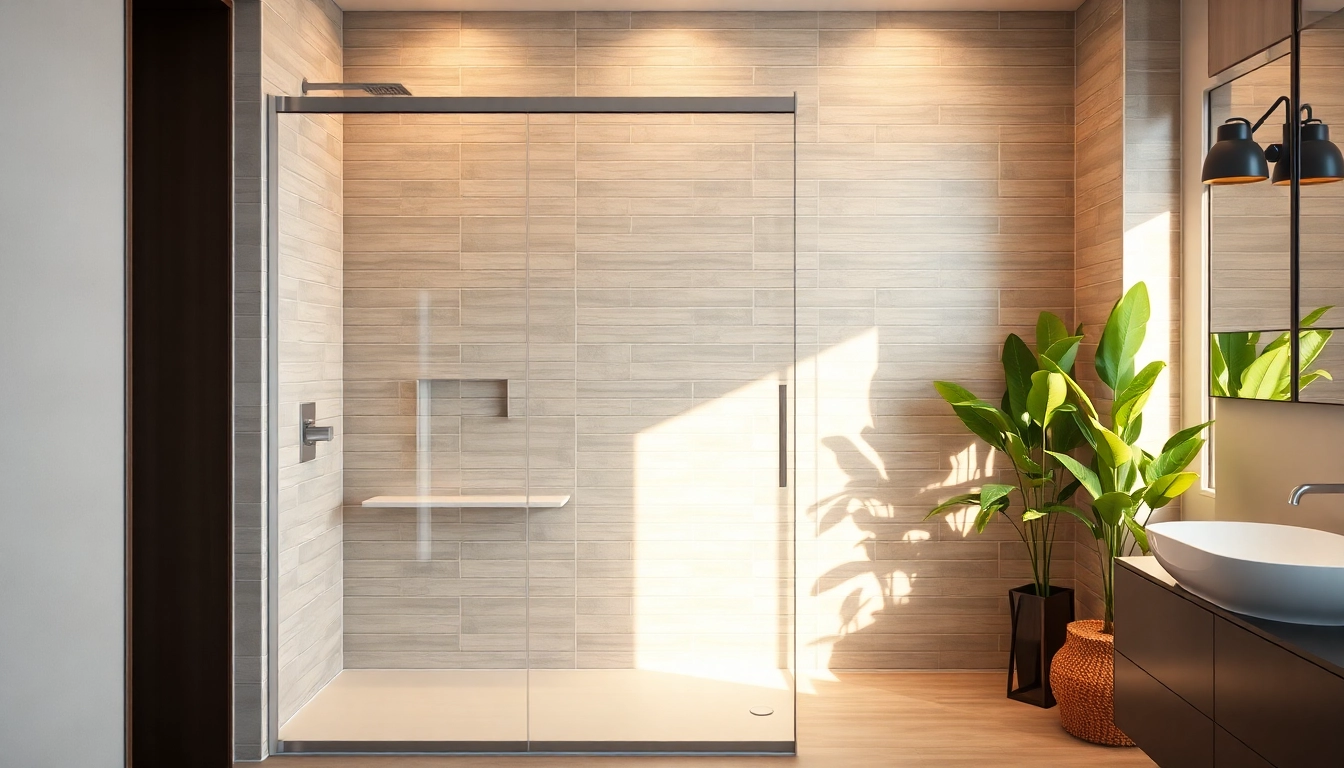
A sliding door shower screen is a type of enclosure designed to separate the showering area from the rest of the bathroom. Unlike traditional hinged doors that swing open, sliding doors move along a track, providing easy access while conserving bathroom space. This makes them ideal for compact bathrooms where every square inch counts. They come in various styles, materials, and designs, making them versatile for different interior aesthetics. For those interested in visually striking options, consider exploring a range of sliding door shower screen designs.
Benefits of Sliding Door Shower Screens
The benefits of sliding door shower screens are numerous and cater to both functionality and style:
- Space Efficiency: Sliding screens do not require additional space to operate, unlike hinged doors, making them perfect for smaller bathrooms.
- Enhanced Aesthetics: Available in various designs, they can add a modern touch to your bathroom décor.
- Accessibility: The design allows easy entry and exit, which can be crucial for individuals with mobility challenges.
- Water Retention: When properly installed, sliding door screens can effectively contain water within the shower area.
- Low Maintenance: Sliding screens are generally easier to clean compared to traditional shower curtains and tend to be more durable.
Comparing Sliding and Hinged Shower Doors
Choosing between sliding and hinged shower doors often depends on personal preferences and space constraints. Sliding doors are ideal for confined areas, offering a seamless transition without the need for clearance space. In contrast, hinged doors require room to swing open, making them suitable for larger bathrooms. However, hinged doors are often perceived as offering a more traditional aesthetic and can be easier to clean since they do not have tracks that may capture soap scum or debris.
Types of Sliding Door Shower Screens
Frameless vs. Framed Options
When it comes to sliding door shower screens, the choice between frameless and framed options is significant:
- Frameless: These provide a minimalist look and better visibility. They are typically constructed from thicker glass, providing a substantial feel and are perceived as more luxurious.
- Framed: These offer additional structural support and can often be less expensive than their frameless counterparts. They are available in various finishes and designs, making them versatile for various bathroom styles.
Materials Used in Construction
The material selected for a sliding door shower screen can significantly impact its durability, appearance, and maintenance needs:
- Glass: Clear or frosted tempered glass is the most common material. It offers transparency while providing a robust barrier. Tempered glass is particularly safety-rated as it shatters into small pieces instead of sharp shards.
- Metal: Frames are typically made of aluminum or stainless steel, which offer strength and resistance to corrosion.
- Polycarbonate: A less common but lightweight option, polycarbonate is often used for budget options but may lack the clarity and durability of glass.
Design Variations for Different Styles
Sliding door shower screens come in various designs to fit different bathroom aesthetics. These include:
- Modern: Sleek lines and minimalistic designs fit well in contemporary bathrooms.
- Traditional: More ornate frames and frosted glass options can match classic styles.
- Industrial: Metal frames with a raw finish can offer a bold statement in urban decor.
- Rustic: Wooden accents alongside glass can create a cozy, homey feel.
Installation Tips for Sliding Door Shower Screens
Choosing the Right Location
The first step in installation is assessing where to place your sliding door shower screen. Consider factors such as the layout of your bathroom, the location of plumbing fixtures, and the overall flow of traffic. It's also essential to check for wall stability and the ability to secure a track. Remember that sliding screens require adequate space beside the shower opening for the doors to operate efficiently.
Essential Tools for Installation
Gather the necessary tools before beginning installation:
- Level
- Drill and drill bits
- Screwdriver
- Measuring tape
- Stud finder
Step-by-Step Installation Guide
Here’s a general guide to installing a sliding door shower screen:
- Measure: Measure the height and width of the shower opening to ensure the screen fits correctly.
- Mark the Track Line: Using your level, draw a straight line where the track will be affixed to the wall.
- Attach the Track: Drill holes and secure the track according to manufacturer instructions.
- Install the Doors: Hang the doors on the track, ensuring they slide smoothly.
- Seal Edges: Apply silicone sealant to prevent water leakage around the edges.
Maintenance and Care for Sliding Door Shower Screens
Cleaning Techniques for Longevity
Maintaining your sliding door shower screen is vital for ensuring its longevity. Regular cleaning can prevent mineral build-up and keep the glass clear:
- Use a gentle glass cleaner or vinegar-water solution.
- Soft, non-abrasive cloths are preferred to avoid scratching the surface.
- Wipe down the track with a damp cloth to clear out any debris.
Common Issues and Troubleshooting
While sliding door shower screens are generally durable, issues can arise:
- Doors Not Sliding: Check the track for debris or misalignment.
- Water Leakage: Ensure seals are intact and adjust the door positioning.
- Rust on Metal Parts: Keep metal components dry and apply protective coatings as necessary.
When to Seek Professional Help
If any installation or maintenance step seems beyond your skill level, do not hesitate to seek professional help. This is particularly vital for ensuring a proper seal and preventing complex issues that may arise from improper installation.
Frequently Asked Questions
What is the average cost of a sliding door shower screen?
The average cost can range from $700 to $2,000 depending on size, materials, and design complexity. Custom options may exceed these estimates.
Are sliding door shower screens suitable for small bathrooms?
Yes, sliding door shower screens are particularly suitable for small bathrooms as they do not require additional space for the door swing, maximizing available area.
Can I install a sliding door shower screen myself?
Yes, if you have some basic DIY skills and tools, you can install a sliding door shower screen. Ensure you follow the manufacturer's instructions carefully.
Do sliding door shower screens leak?
If installed correctly, sliding door shower screens should not leak. Ensure proper sealing around edges and check alignment regularly for best performance.
What materials are best for sliding door shower screens?
Tempered glass is generally the best material for sliding door shower screens due to its strength. Choose high-quality frames made from stainless steel or aluminum for durability.