Understanding Structural Steel Construction
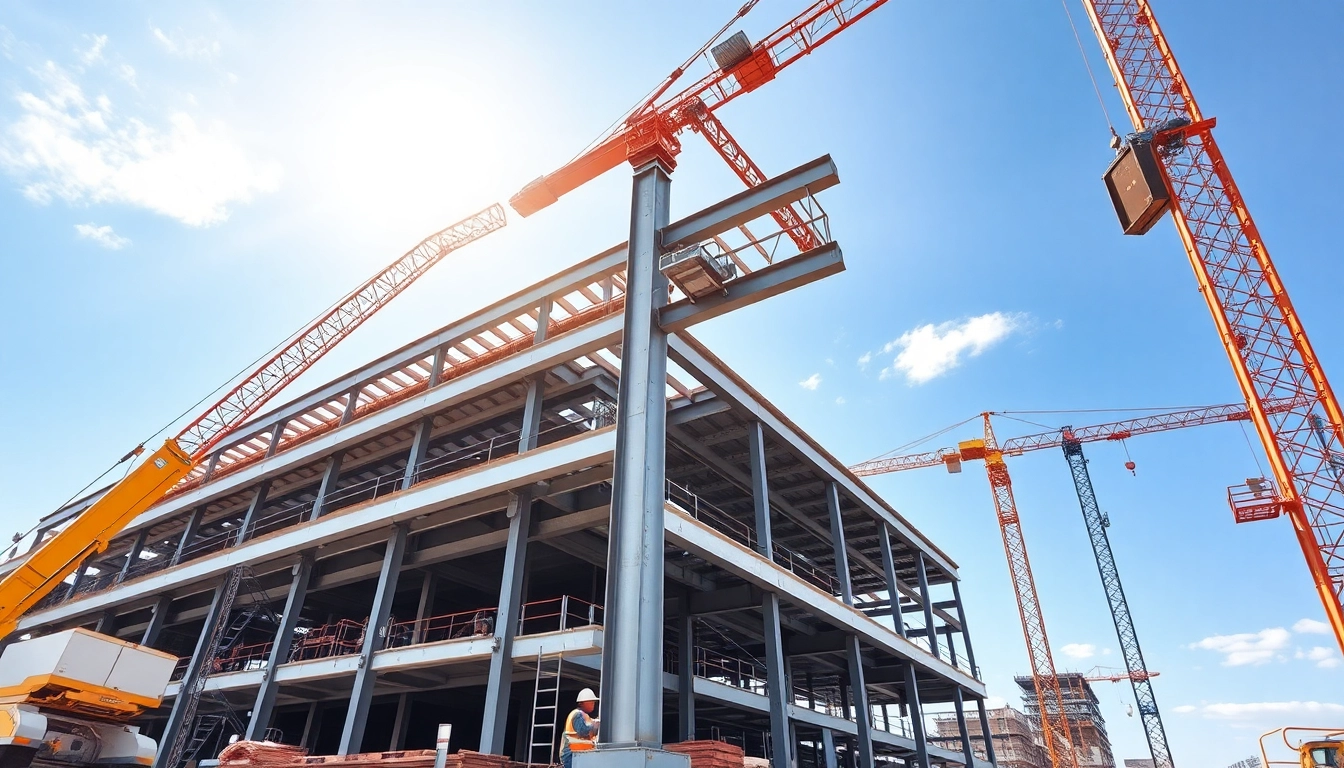
Structural steel construction is a vital aspect of modern architectural and engineering practices, providing a framework that supports buildings and other structures effectively. This construction method employs certain grades and shapes of steel that yield exceptional strength while also promoting efficiency and precision in design. Through a combination of technology and innovative design approaches, today’s structural steel construction can cater to complex project demands while also adhering to sustainability goals. With that in mind, let’s delve deeper into what structural steel construction entails, shedding light on its definition, characteristics, and application in the construction industry.
What is Structural Steel Construction?
Structural steel construction involves the use of steel profiles and sections that are specifically designed to support loads and withstand various stresses. This construction method dates back to the late 19th century and has since evolved to become a preferred choice due to its unparalleled combination of strength-to-weight ratios and versatility. Structural steel can be found in various forms including beams, columns, and trusses, each tailored to meet distinct structural requirements. Engineering professionals draw upon a diverse range of steel grades, allowing for adaptability in a wide array of environmental and enhancement contexts.
Key Characteristics of Structural Steel
The defining characteristics of structural steel construction include:
- Strength: Structural steel possesses a high tensile and compressive strength, making it ideal for buildings that require robust frameworks.
- Durability: Its resistance to corrosion and environmental degradation enhances longevity, reducing the need for constant maintenance.
- Lightweight: Compared to other construction materials like concrete, steel's relative lightness allows for easier transport and installation.
- Versatility: Structural steel can be fabricated into numerous shapes and sizes, easily adapting to different architectural designs.
- Speed of Construction: Pre-fabricated steel components can be assembled quickly on-site, expediting project timelines significantly.
Common Uses in Construction Projects
Structural steel construction finds application across numerous fields, with common uses including:
- Commercial Buildings: Offices, shopping malls, and skyscrapers often utilize structural steel for their frameworks due to their height requirements and open space designs.
- Industrial Facilities: Factories and warehouses benefit from the heavy-duty capabilities of steel, which can support heavy machinery and equipment.
- Bridges: The high strength and flexibility of steel allow for the construction of long spans necessary for modern transportation projects.
- Residential Structures: Increasingly, steel is being used in homes, particularly in modern designs that prioritize open floor plans.
Advantages of Structural Steel Construction
Structural steel construction presents an array of benefits that make it a preferred choice among architects and builders. These advantages manifest not only in the construction process but also in the lifecycle of the structures built.
Strength and Durability Benefits
One of the foremost advantages of structural steel is its inherent strength and durability. The materials used can accommodate significant loads without bending or breaking, which is critical in high-rise construction. Furthermore, steel’s durability means it can endure extreme weather conditions, seismic activities, and thermal stress without compromising structural integrity. This robust nature results in operations that extend well beyond traditional lifecycles, ultimately reducing maintenance frequency and costs.
Cost-Effectiveness and Efficiency
In the competitive world of construction, cost efficiency is paramount. The lightweight nature of structural steel reduces transportation costs, while its ease of assembly can significantly lower labor expenses. Moreover, the speed with which structural steel can be erected leads to faster project completion, allowing companies to save time and resources. As such, the initial investment in structural steel can translate to considerable savings across the entire project lifecycle.
Environmental Impact and Sustainability
As global awareness of sustainability efforts grows, so does the importance of environmentally-friendly construction methods. Structural steel is 100% recyclable, meaning that it can be repurposed at the end of its lifecycle into new steel products, substantially reducing waste. Additionally, steel construction's ability to contribute to energy-efficient designs can make buildings more sustainable, aligning with contemporary green building practices. The use of structural steel provides builders with a way to meet demanding environmental standards while also contributing to sustainable development goals.
Designing with Structural Steel Construction
Effective design is crucial in structural steel construction, ensuring that projects not only meet aesthetic standards but also functional and safety regulations. This section explores key principles and innovative techniques that guide the design and implementation of structural steel projects.
Design Principles for Structural Integrity
Structural integrity is paramount in construction. To achieve this, designers must understand load distribution, material strength, and the environmental conditions the structure will experience. Compliance with regulations such as the International Building Code ensures that structures will withstand stress from wind, earthquakes, and other forces. Integrating rigorous analysis techniques, such as finite element analysis (FEA) and computational fluid dynamics (CFD), can aid in accurately predicting how a structure will react under various conditions.
Innovative Techniques in Steel Design
Technological advances have brought forth innovative techniques in steel design, enhancing structural capabilities. Methods such as 3D modeling and Building Information Modeling (BIM) allow architects and engineers to visualize complex structures accurately during the design phase. This facilitates collaboration among stakeholders, leading to improved communication and coordination. Additionally, advancements in connection design—utilizing bolts, welds, and other fasteners—enhance flexibility regarding design adjustments without compromising strength.
Addressing Challenges in Design Implementation
Despite the numerous advantages of structural steel, challenges do exist. Issues such as constraints of site conditions, code compliance, and budget limitations often arise. Key strategies for overcoming these challenges include thorough pre-construction planning, informed stakeholder engagement, and continuous communication among design and construction teams. By fostering collaboration, potential issues can be identified early, and solutions can be developed to ensure successful project completion.
Best Practices for Structural Steel Construction
To maximize the benefits of structural steel construction, adhering to best practices is essential. This section outlines quality assurance measures, safety protocols, and effective project management strategies to ensure successful project outcomes.
Quality Assurance and Testing Methods
Ensuring that structural steel meets rigorous quality standards is vital to the safety and longevity of the constructed projects. Quality assurance protocols should include rigorous testing methods such as tensile testing, ultrasonic testing, and magnetic particle testing to evaluate the material’s performance. Certifications such as ISO 9001 can further ensure that manufacturers and contractors adhere to industry-leading quality practices, providing peace of mind to all stakeholders involved.
Safety Protocols and Guidelines
The construction site can be hazardous, and safety must remain a top priority. Implementing safety protocols such as OSHA regulations, personal protective equipment (PPE) usage, and regular safety audits can minimize risks. Additionally, providing comprehensive training to workers helps ensure that all team members understand best practices and procedures for working safely with structural steel.
Project Management for Successful Outcomes
Effective project management is crucial in coordinating the multiple facets of structural steel construction. Utilizing methodologies such as Agile or Lean practices can enhance efficiency throughout the project lifecycle. Regularly assessing progress against project milestones ensures accountability and keeps the project on track. By maintaining open lines of communication, potential roadblocks can be addressed proactively to avoid delays and budget overruns.
Future Trends in Structural Steel Construction
As technology continues to evolve, so too does the landscape of structural steel construction. Understanding emerging trends will help stakeholders remain competitive and informed about the future of the industry.
Advancements in Materials and Technology
The development of advanced materials, such as high-strength steel and composite materials, is set to revolutionize structural capabilities further. Innovations in steel production, including the use of less energy-intensive processes, will aid in reducing environmental impacts. Alongside, automation and robotics are positioned to streamline the construction process, enhancing precision and speed while also minimizing human error.
Industry Standards and Regulatory Changes
Keeping abreast of evolving industry standards is imperative for compliance and safety. As new regulations come into effect, stakeholders must adapt their practices to meet contemporary safety and environmental benchmarks. Regular training sessions and workshops can ensure that the workforce remains knowledgeable about these standards, upholding the integrity of the structural steel construction practices.
Case Studies of Innovative Projects
Real-world examples provide valuable insights into the successful implementation of structural steel construction. Noteworthy projects demonstrate innovations in design and materials, sustainability efforts, and efficient project management strategies. By analyzing case studies, industry professionals can glean relevant lessons and strategies that can be applied to future projects, driving continued improvement and innovation within the field.