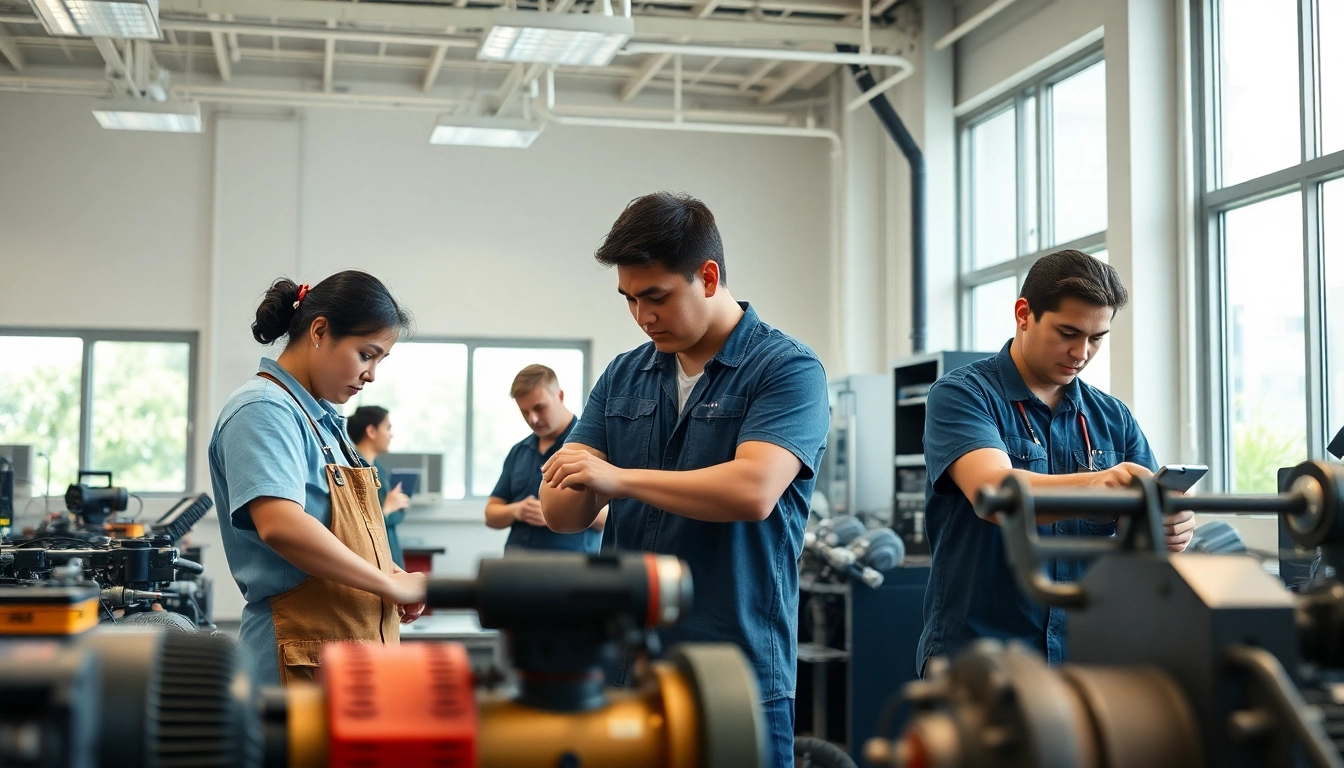
Understanding the Importance of Hawaii Trade Schools
In the current job market, possessing a degree is not the only pathway to a successful career. Often, practical skills and vocational training can lead to fulfilling employment opportunities. Hawaii trade schools play a crucial role in enhancing career prospects by equipping students with the skills required in various industries. This article explores the significance of trade schools in Hawaii, the benefits they provide, and how they can pave the way for promising careers.
What Are Trade Schools?
Trade schools, also known as vocational schools or technical colleges, focus on imparting practical skills and knowledge associated with specific careers. These institutions aim to prepare students for particular trades like plumbing, carpentry, culinary arts, cosmetology, and many others through intensive training programs that combine classroom instruction with hands-on experience. Unlike traditional four-year colleges, trade schools offer programs that typically last from a few months to two years, enabling students to enter the workforce more quickly.
Benefits of Attending Hawaii Trade Schools
The advantages of attending a trade school in Hawaii extend beyond just completing a program. Some key benefits include:
- Shorter Programs: Most programs take less time to complete than traditional degrees, allowing students to graduate sooner.
- Cost-Effectiveness: Trade schools usually have lower tuition costs compared to four-year universities, reducing student debt.
- Hands-On Training: The curriculum is often designed to provide practical skills aligned with industry needs, making graduates job-ready.
- Career-Focused Education: Programs are tailored to specific careers, ensuring that students gain the relevant skills required by employers.
- High Job Placement Rates: Many trade schools offer job placement services, increasing graduates’ chances of finding employment.
Career Opportunities After Graduation
Graduates of trade schools in Hawaii can access a wide range of career opportunities. Depending on the program, students can pursue roles in diverse fields such as:
- Construction (plumbers, electricians, carpenters)
- Healthcare (medical assistants, dental hygienists, pharmacy technicians)
- Transportation (automotive technicians, pilots)
- Culinary Arts (chefs, bakers, restaurant managers)
- Beauty and Personal Care (cosmetologists, barbers, estheticians)
With Hawaii’s unique job market, trade school graduates often find positions in local industries, benefiting from the island's economic landscape.
Choosing the Right Trade School in Hawaii
When considering a trade school in Hawaii, prospective students must make informed decisions to ensure a rewarding educational experience. Here are essential factors to reflect upon:
Factors to Consider When Selecting a School
Choosing the right trade school involves careful evaluation of several factors, including:
- Program Accreditation: Ensure that the school is accredited by a recognized body to guarantee quality education.
- Curriculum Quality: Review the curriculum to confirm that it aligns with industry standards and includes hands-on training.
- Reputation: Research the school’s reputation through online reviews, testimonials, and alumni success stories.
- Location: Consider the school's proximity to home or major employment centers.
- Support Services: Check for available support services like career counseling, tutoring, and job placement assistance.
Top Programs Offered by Hawaii Trade Schools
Hawaii trade schools provide an impressive variety of programs catering to different interests and industries. Some of the most sought-after programs include:
- Information Technology
- Welding and Metal Fabrication
- HVAC (Heating, Ventilation, Air Conditioning)
- Marine Technology
- Graphic Design
Each program is crafted to meet the evolving demands of its respective industry, preparing students for successful careers post-graduation.
Accreditation and Recognition
Accreditation is a critical aspect of selecting a trade school. Schools accredited by reputable organizations assure students of a quality education recognized by employers. Additionally, program-specific accreditations bolster the credibility of graduates. Before enrolling, verify the school's accreditation status, as it significantly impacts career opportunities and further educational pursuits.
Financial Aid and Scholarships for Trade Schools
Navigating the financial landscape for education can be daunting, especially for trade schools. However, numerous financial aid options exist to assist students in managing costs effectively.
Understanding Tuition Costs
Tuition costs for trade schools in Hawaii vary widely depending on the program and school. Generally, students can expect costs that are significantly lower than those associated with four-year colleges. Understanding total expenses—including tuition, books, and fees—enables better financial planning.
Available Financial Aid Options
Several financial aid options are available for students attending trade schools in Hawaii, including:
- Federal Pell Grants: Need-based grants that do not require repayment.
- Federal Student Loans: Low-interest loans that require repayment after graduation.
- State Grants: Programs offered by Hawaii that can help cover tuition costs.
- Employer Sponsorships: Some employers may sponsor training for employees in specific trade areas.
Applying for Scholarships and Grants
In addition to institutional financial aid, students should actively seek scholarships and grants. Many organizations provide scholarships specifically for students pursuing vocational training. Research local and national opportunities, maintain a strong academic record, and prepare compelling application essays to enhance your chances of securing these funds.
Life After Graduating from Hawaii Trade Schools
Graduation from a trade school is just the beginning. Properly transitioning to the workforce is crucial for maximizing the benefits of vocational training.
Job Placement Services Offered
Many trade schools in Hawaii offer job placement services to aid graduates in finding employment. These services may include resume workshops, interview preparation, and job fairs with local employers, providing students with direct connections to job opportunities in their chosen fields.
Networking Opportunities for Graduates
Networking is invaluable for job seekers, and trade schools often host events that facilitate connections between students and industry professionals. Engaging in these networking opportunities can lead to internships, mentorships, and potential job offerings.
Continuing Education and Certifications
Many fields require ongoing education and certification to stay current with technological advances and industry standards. Graduates should consider furthering their education through advanced certifications or additional training programs to enhance their marketability and career growth.
FAQs About Hawaii Trade Schools
What programs can I study at Hawaii trade schools?
At Hawaii trade schools, you can find programs in fields such as healthcare, automotive technology, culinary arts, construction, and beauty services, among others.
How long does it take to complete a program?
Program completion times vary, typically ranging from a few months to two years, depending on the field and course structure.
Are there online options available for trade courses?
Yes, many Hawaii trade schools offer online courses or hybrid programs, making education accessible regardless of location.
What types of financial aid are available?
Financial aid options include federal and state grants, student loans, scholarships, and employer sponsorships to help manage tuition costs.
How do I find job opportunities after graduating?
Utilize job placement services, attend networking events, and leverage online job platforms to find opportunities post-graduation.