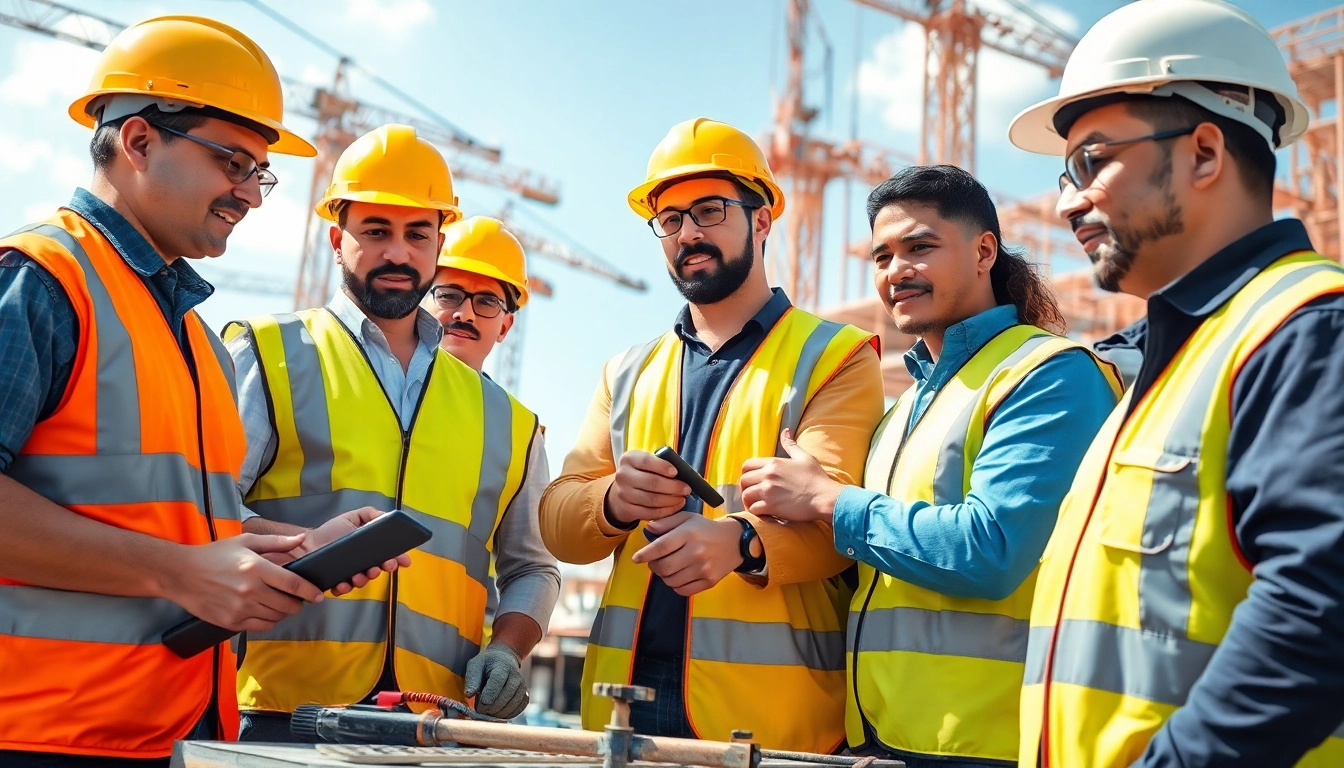
Understanding the Importance of Construction Safety Training
Safety is a critical asset in the construction industry, where workers frequently face hazards that can lead to severe injuries or fatalities. It's vital to implement effective construction safety training to mitigate these risks and ensure a safer work environment. This training not only complies with regulatory standards but also contributes to the overall productivity and morale of the workforce.
The Role of Safety Training in Reducing Workplace Accidents
Construction site accidents can lead to devastating consequences for workers, families, and organizations. Through effective safety training, employers can significantly reduce the likelihood of accidents. Programs that focus on identifying hazards, understanding best practices, and training staff in emergency response have demonstrated a marked decrease in incidents. A workplace that prioritizes safety training witnesses a reduction in lost time, lower insurance premiums, and a more engaged workforce.
Regulatory Requirements for Construction Safety Training
Various regulations dictate the requirements for construction safety training, including OSHA (Occupational Safety and Health Administration) standards. These regulations are designed to establish minimum safety and health requirements to protect workers. Familiarity with specific regulations pertinent to their roles is essential for workers, as noncompliance can lead to legal ramifications as well as increased risks of accidents.
Common Challenges in Implementing Safety Training Programs
While the importance of safety training is universally recognized, implementing effective programs can pose several challenges. This can include resistance from workers, inadequate training resources, and the need for tailored training solutions that meet diverse learning styles. Identifying barriers to successful training implementation is the first step to overcoming these challenges and ensuring a safer construction environment.
Best Practices for Effective Construction Safety Training
Developing Comprehensive Training Curriculum
A well-structured training curriculum should encompass a variety of topics relevant to safety procedures and protocols. This includes employee orientation, emergency response, fall protection, equipment safety, and more. Curriculum development should remain flexible enough to evolve with changing laws and advancements in construction technology.
Incorporating Hands-on Learning Experiences
The most effective training methods often involve hands-on experiences that allow workers to practice skills in a controlled environment. Simulations and practical exercises provide opportunities for employees to apply what they’ve learned in real-world scenarios, thereby enhancing retention and confidence in their abilities.
Use of Technology in Safety Training Delivery
Incorporating technology into safety training allows for innovative delivery methods. E-learning modules, mobile apps, and online simulations can make training more engaging while accommodating diverse learning preferences. Additionally, the use of data analytics can help tailor training programs to the specific needs of an organization.
Key Components of a Successful Training Program
Assessment of Training Needs and Skill Gaps
Conducting a thorough assessment of training needs is crucial in identifying skill gaps among workers. This involves evaluating current safety knowledge, analyzing accident records, and soliciting feedback from employees. Tailoring training programs based on these assessments significantly enhances their effectiveness.
Measuring Training Outcomes and Effectiveness
To ensure that safety training is genuinely effective, organizations must implement measurement systems to evaluate outcomes. This could include tracking incident rates, gathering employee feedback, and assessing performance through tests or simulations. Utilizing a continuous improvement approach helps refine training initiatives over time.
Creating a Culture of Safety in the Workplace
Creating a workplace culture that values safety requires ongoing commitment from leadership and staff. This involves promoting open communication about safety concerns, recognizing safe work practices, and actively engaging employees in safety initiatives. A culture of safety fosters accountability, encouraging workers to take personal responsibility for their safety and that of their colleagues.
Innovative Approaches to Construction Safety Training
Leveraging Virtual Reality in Safety Simulations
Virtual Reality (VR) technology offers a unique opportunity to enhance safety training experiences. By immersing trainees in realistic, simulated environments, VR can teach workers to recognize hazards and respond appropriately without risk to their safety. This innovative approach has been shown to improve knowledge retention and prepare workers for on-the-job challenges effectively.
Implementing Continuous Training and Refresher Courses
Safety training should not be a one-time event but part of a larger continuous learning strategy. Regular refresher courses can help keep safety protocols at the forefront of employees' minds and ensure that they remain compliant with current regulations. Continuous training also reinforces the importance of safety throughout an organization.
Case Studies of Successful Training Implementations
To illustrate the effectiveness of comprehensive training programs, various case studies showcasing successful implementations can be analyzed. For instance, a construction company that adopted a robust training program saw a significant decrease in injury rates and an increase in project efficiency. Such case studies highlight actionable insights and best practices that other organizations can learn from.
The Future of Construction Safety Training
Evolving Trends and Technologies in Safety Education
The future of safety training is likely to be driven by continuous advancements in technology and insights derived from data analytics. Emerging trends such as artificial intelligence and machine learning will enable organizations to predict hazards and customize training programs, resulting in more proactive safety measures across the construction industry.
Integrating Mental Health Awareness in Safety Training
The focus on holistic well-being, inclusive of mental health, is becoming increasingly recognized within the construction sector. Addressing mental health issues as part of safety training can support workers' emotional well-being, reduce stress-related injuries, and foster a healthy workplace culture. Integrating mental health resources into training modules reinforces the commitment to the overall safety of all employees.
Long-term Benefits of Ongoing Safety Training Practices
Organizations that prioritize and invest in ongoing safety training ultimately reap long-term benefits. These can include reduced accident rates, lower insurance costs, improved employee morale, and enhanced productivity. A visible commitment to safety contributes not only to employee well-being but also to the organization's reputation and competitiveness in the marketplace.