Understanding Construction Site Safety
Construction site safety is a cornerstone of the construction industry, impacting not only workers but also project timelines and costs. Prioritizing safety practices on-site helps to minimize accidents and injuries, creating a secure working environment. In an industry that involves heavy machinery, high elevations, and toxic substances, ensuring a robust safety culture is essential. By closely examining various aspects of construction site safety, we can outline best practices and guidelines that contribute to a successful, compliant, and safe construction project.
Importance of Construction Site Safety
The importance of construction site safety cannot be overstated. Safeguarding workers against injuries and fatalities is paramount, as construction sites can be inherently dangerous. Statistics reveal that falls, being struck by objects, and electrocutions consistently rank among the top causes of construction-related deaths. Beyond the human cost, accidents can also lead to significant financial repercussions, including lawsuits, fines, and delays. Investing in safety measures promotes not only the well-being of workers but also enhances productivity, reduces turnover, and mitigates costs associated with workplace injuries.
Common Hazards on Construction Sites
Understanding common hazards inherent to construction sites is a crucial step in implementing effective safety measures. These hazards can be categorized as follows:
- Fall Hazards: Elevated surfaces, ladders, and scaffolding pose significant risks. Workers falling from heights can lead to severe injuries and fatalities.
- Equipment Hazards: Heavy machinery like cranes, excavators, and forklifts can be dangerous, particularly if operators lack proper training or if safety protocols are not adhered to.
- Electrical Hazards: Construction sites frequently use temporary electrical systems that may expose workers to the risk of electrocution or electrical fires.
- Hazardous Materials: Construction often involves exposure to toxic substances like asbestos, lead, or chemicals, requiring specialized handling to prevent health risks.
- Noise Hazards: Prolonged exposure to loud machinery can lead to hearing loss and other related health issues.
Being aware of these hazards allows employers to put preventive measures in place to protect workers and create a safer working environment.
Key Regulations and Standards
Compliance with safety regulations is mandatory in the construction industry. Various organizations outline these regulations, with OSHA (Occupational Safety and Health Administration) setting forth the standards in the United States. Key regulations include the General Duty Clause, which requires employers to provide a work environment free from recognized hazards, and specific standards for various site operations. Adherence to these regulations is essential for liabilities and ensures workers' rights to a safe workplace.
Essential Safety Gear on Construction Sites
Protective Equipment Overview
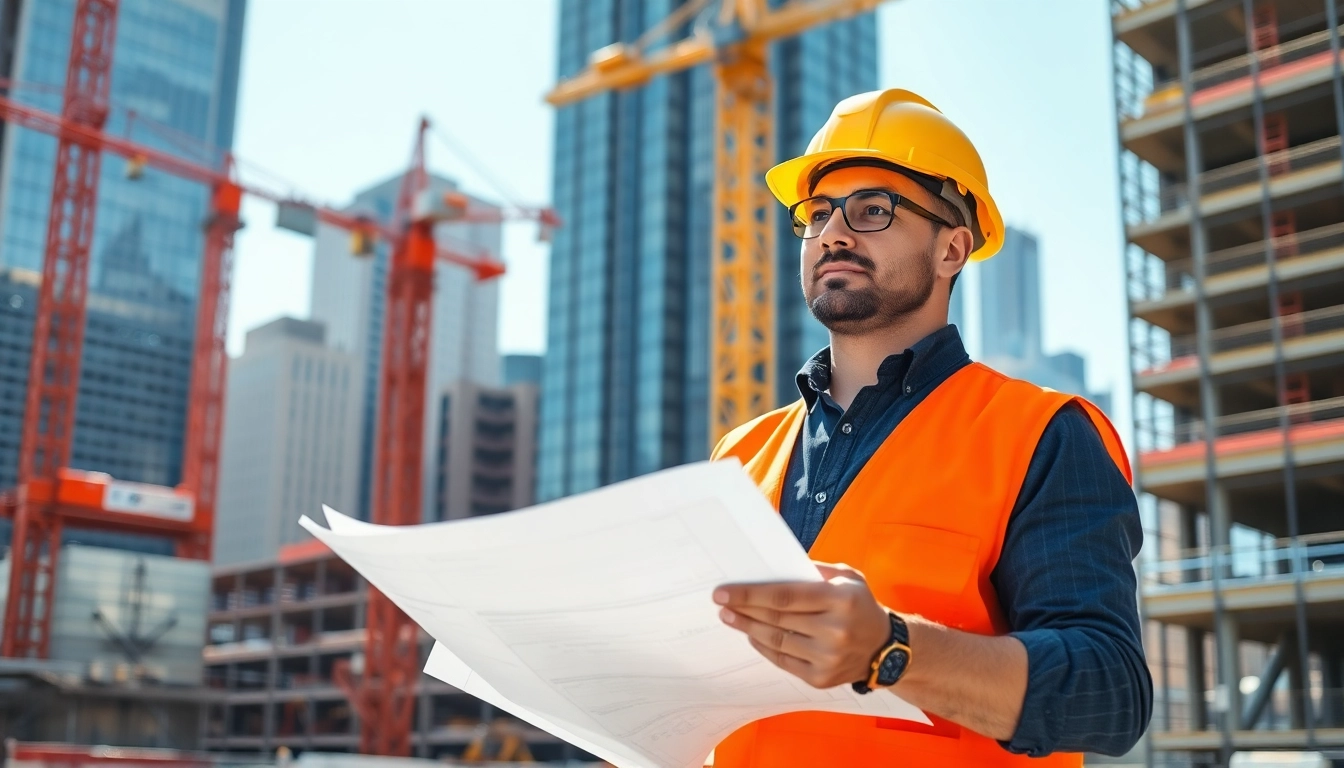
Safety gear is an indispensable component of construction site safety. This protective equipment is designed to safeguard workers from potential hazards encountered while on the job. Key items of personal protective equipment (PPE) include:
- Helmets: Essential for head protection against falling objects and impacts.
- Gloves: Provide protection from cuts, abrasions, and chemical exposure.
- Goggles and Face Shields: Protect eyes and face from flying debris and harmful substances.
- Hearing Protection: Essential for preventing hearing loss in high-noise environments.
- Steel-Toed Boots: Protect feet from heavy objects and provide slip resistance.
The effectiveness of PPE largely depends on proper usage and maintenance, emphasizing the need for training and diligence in safety practices.
Choosing the Right Safety Gear
Selecting appropriate safety gear is critical for maximizing protection. Employers should consider various factors when choosing the right equipment:
- Type of Work: Assess the specific hazards associated with the tasks being performed to select gear that provides adequate protection.
- Fit and Comfort: PPE must fit well and be comfortable to encourage consistent use among workers.
- Compliance with Standards: Ensure that all equipment meets industry safety standards, as non-compliant gear may not provide the necessary protection.
- Durability: Invest in high-quality safety gear that can withstand the rigors of construction work.
Engaging workers in the selection process can lead to improved adherence and satisfaction with the safety gear provided.
Maintenance of Safety Equipment
Regular maintenance of safety gear is essential to ensure its effectiveness. Employers should implement a maintenance schedule that includes:
- Inspecting Equipment: Regular checks for wear and damage on helmets, gloves, and other gear must be conducted.
- Cleaning Gear: Proper cleaning protocols must be established to prevent contamination and retain functionality.
- Replacing Worn Equipment: It’s vital to replace safety gear that no longer meets safety standards or shows signs of wear.
Investing in maintenance not only prolongs the life of equipment but also reinforces the commitment to worker safety.
Implementing Safety Protocols
Developing a Safety Plan
A well-structured safety plan is a foundational element of construction site safety. It should include:
- Hazard Identification: A systematic approach to identifying potential hazards on-site.
- Safety Policies: Clear policies that outline the responsibilities of employers and employees in maintaining safety standards.
- Emergency Procedures: Detailed steps to take in the event of an emergency, including evacuation routes and contact information for emergency services.
- Communication Plans: Mechanisms for disseminating safety information and updates to all personnel involved.
Reviewing and updating the safety plan regularly ensures its effectiveness in the dynamic environment of construction.
Conducting Safety Training Sessions
Continual training is vital for maintaining a culture of safety. Effective training sessions should encompass:
- New Employee Orientation: Introduce safety practices and protocols to new hires to set the tone for safety expectations from the outset.
- Ongoing Refresher Courses: Regularly scheduled training to keep current employees updated on best practices and new regulations.
- Hands-On Training: Practical demonstrations of safety practices can enhance understanding and retention of material.
Engagement and interactivity during training can increase comprehension and reduce the likelihood of complacency.
Emergency Response Procedures
Developing effective emergency response procedures is essential for mitigating risks on construction sites. A comprehensive emergency response plan should include:
- Escape Routes: Clearly marked and accessible escape routes must be established and communicated to all workers.
- Designated First-Aid Personnel: Designating first-aid responders ensures quick action in the event of an injury.
- Regular Drills: Conducting safety drills prepares workers for real emergencies, ensuring everyone knows their role and responsibilities.
Practicing these procedures enhances preparedness and increases the safety of all workers on-site.
Monitoring and Improving Safety Practices
Regular Safety Audits
Conducting regular safety audits is an effective way to assess compliance with safety protocols and identify areas for improvement. Audit procedures should include:
- Observational Inspections: A hands-on approach to monitoring how safety practices are implemented on-site.
- Review of Incident Reports: Analyzing incident reports can unveil patterns that reveals the need for changes in procedures.
- Worker Feedback: Encouraging employee participation in audits can provide valuable insights into the efficacy of safety practices.
Regular audits not only ensure ongoing compliance but also reinforce the significance of safety culture within the organization.
Identifying and Assessing Risks
Proactively identifying and assessing risks is crucial for maintaining a safe construction environment. This process should involve:
- Hazard Analysis: Thorough analysis of tasks and work processes to identify potential risks.
- Risk Assessment: Evaluating the likelihood and impact of identified hazards. Prioritizing risks based on their severity helps inform safety planning.
- Implementation of Controls: Applying control measures, such as engineering controls and administrative policies, to minimize risks effectively.
Ongoing vigilance and risk assessment create a culture of safety awareness and encourage workers to engage actively in maintaining a safe environment.
Incorporating Feedback for Improvement
Feedback from workers is essential for improving safety practices. Employers should actively seek and incorporate this feedback through methods such as:
- Suggestion Boxes: Anonymous feedback can provide insights into safety concerns that may otherwise go unreported.
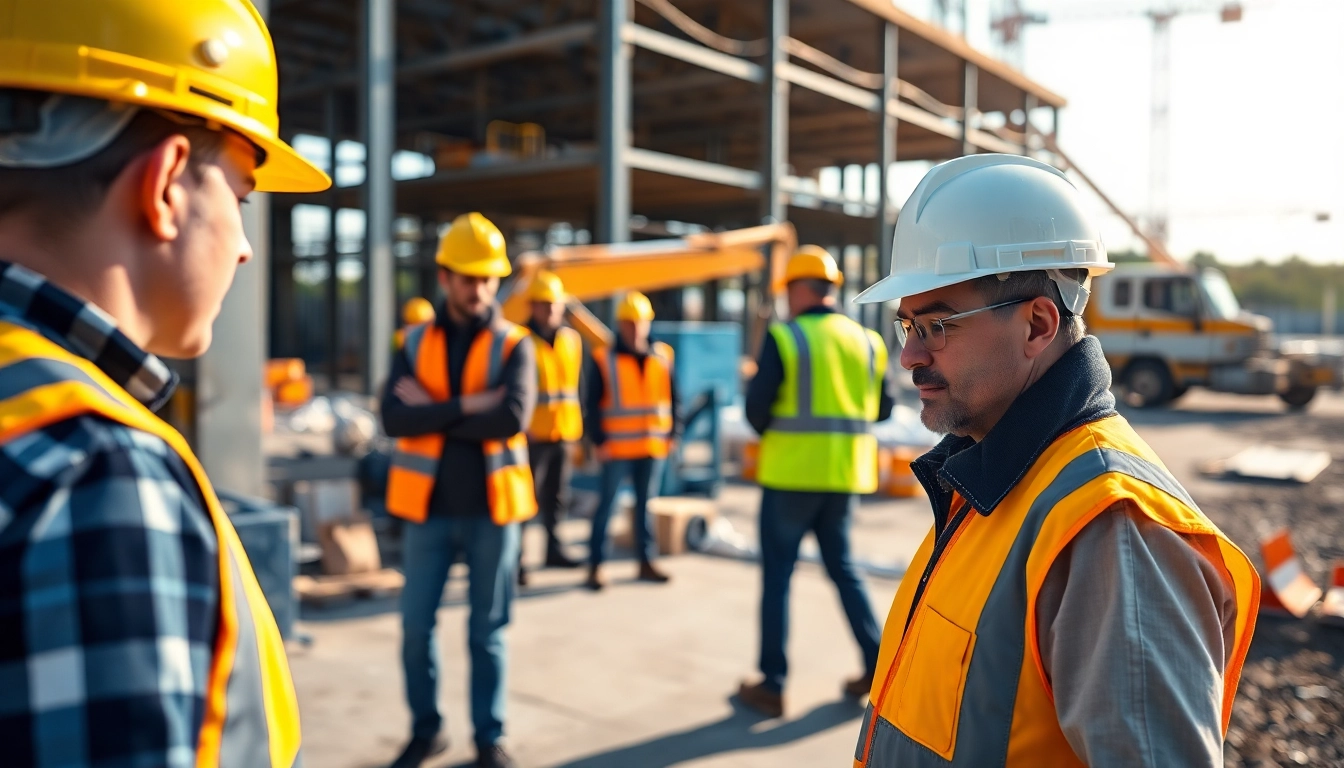
- Safety Meetings: Regularly scheduled safety meetings create forums for discussion and exchange of ideas related to safety improvements.
- Surveys: Conducting safety surveys can gauge employee sentiments and satisfaction concerning current safety practices.
By valuing and addressing worker feedback, organizations can better meet the needs of their employees and enhance overall safety performance.
Frequently Asked Questions about Construction Site Safety
What is the role of safety gear in construction site safety?
Safety gear protects workers from potential injuries. It includes helmets, gloves, and boots designed to ensure maximum protection in hazardous environments.
How often should safety training be conducted?
Safety training should be a continuous process. It is recommended to conduct refresher courses regularly, ideally once every six months, to ensure all workers are updated.
What are the most common hazards on construction sites?
Common hazards include falls from heights, equipment accidents, and exposure to harmful substances. Identifying these hazards is key in enforcing effective safety measures.
How can employers enforce safety protocols?
Employers can enforce safety protocols by providing regular training, monitoring compliance, and creating a culture that prioritizes safety as a shared responsibility.
What should be included in an emergency response plan?
An emergency response plan should include evacuation procedures, contact information for emergency services, and a clear communication process for reporting incidents.