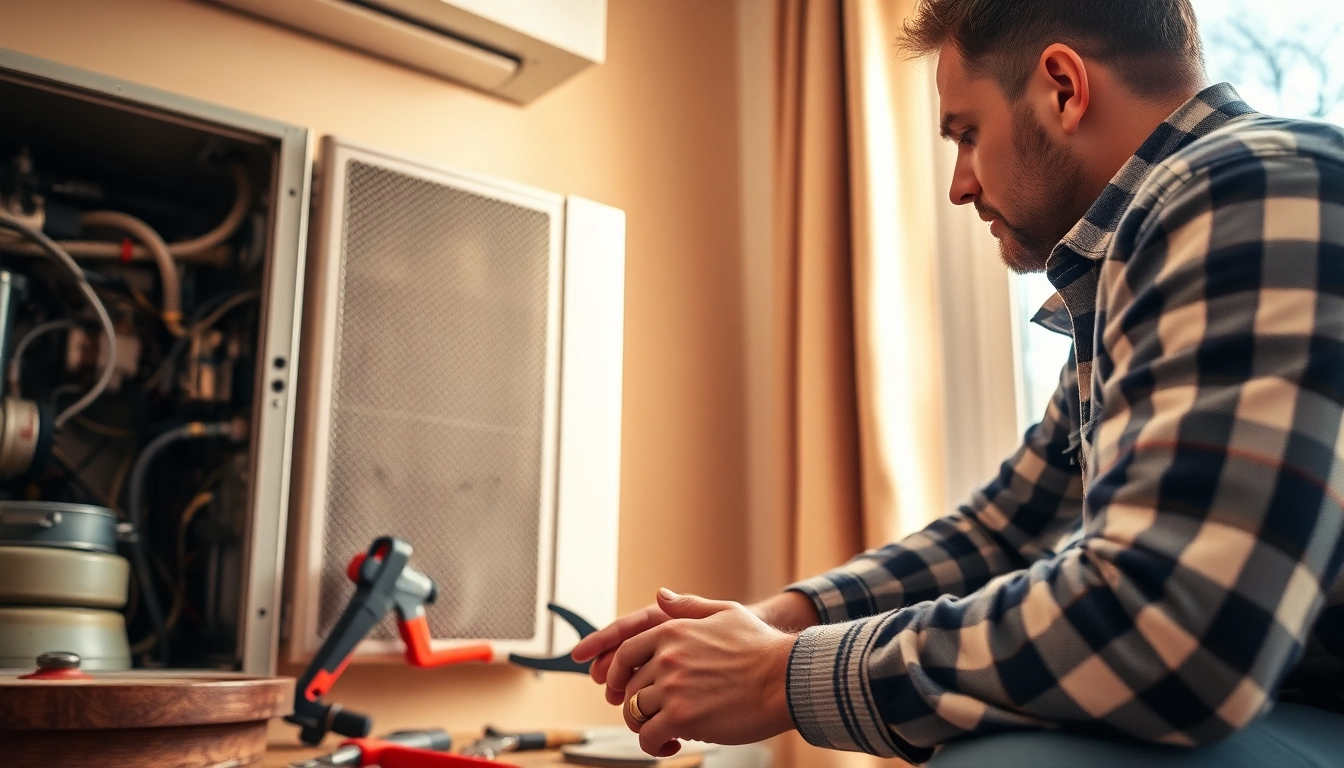
Understanding Emergency Heating Repair
As the temperature drops, homeowners rely heavily on their heating systems to maintain a comfortable indoor environment. When an unexpected breakdown occurs, understanding the nuances of emergency heating repair becomes crucial. This article will explore what constitutes emergency heating repair, the signs that indicate a sudden need for attention, and how to navigate the complexities of finding reliable services.
What is Emergency Heating Repair?
Emergency heating repair refers to the urgent servicing and repair of heating systems that fail unexpectedly, particularly in extreme weather conditions. Unlike regular maintenance services, which can be scheduled during convenient times, emergency repairs are typically unplanned and often require immediate action. Common issues that can lead to emergency repairs include furnace breakdowns, unusual noises, or the absence of heat, necessitating the swift intervention of a qualified technician.
Common Signs Your Heater Needs Immediate Attention
Recognizing the early indicators of heater failure can prevent further damage and ensure the safety of your home. Look out for the following signs:
- No Heat: The most obvious sign that your heating system needs urgent repair.
- Strange Noises: Unusual noises such as banging, screeching, or rattling can indicate mechanical failures.
- Increased Energy Bills: A sudden spike in energy costs without an increase in usage could signal inefficiency.
- Weak Airflow: Reduced airflow from vents often points to blocked ducts or a failing blower.
- Yellow Pilot Light:If your gas heating system has a yellow pilot light instead of blue, it may be a sign of dangerous carbon monoxide emissions.
How Emergency Heating Repair Differs from Regular Maintenance
While regular maintenance focuses on proactive care—such as checking filters, cleaning ducts, and ensuring system efficiency—emergency heating repair deals with system failures that require immediate attention. Regular maintenance helps prevent emergencies by identifying potential issues early. Conversely, emergency repairs entail dealing with current problems, often necessitating expedited services and additional costs due to their urgent nature.
Steps to Take Before Calling for Emergency Heating Repair
Assessing Your Heating System
Before dialing a technician, take a moment to assess the situation. Check your thermostat settings and ensure it’s set to heating mode and that batteries are functional. Inspect your furnace or heating unit for any visible issues, such as leaks, discoloration, or unusual sounds. If your heater is an older model, consider the manufacturer’s guidelines regarding its lifespan.
Safety Protocols to Follow
Safety is paramount when dealing with heating systems. If you suspect a gas leak, turn off the gas supply immediately and evacuate the premises. Avoid using electrical devices near the heating system and never attempt to repair gas furnaces on your own. Always prioritize your safety and that of your family before seeking repairs.
Gathering Relevant Information for Technicians
To facilitate a smoother repair process, gather essential information such as the heater's make and model, the nature of the problem, and any unusual behaviors you've observed. Providing this information to the technician will assist them in diagnosing the issue efficiently and effectively.
Finding Reliable Services for Emergency Heating Repair
Where to Look for Qualified Technicians
When facing a heating emergency, knowing where to find reliable technicians is critical. Start with recommendations from friends and family. Online platforms that provide reviews can also be helpful, as can local service directories. Always choose professionals who are based in your area, as they can respond quickly in emergencies.
Questions to Ask Before Hiring
When interviewing potential technicians, ask the following questions:
- Are you licensed and insured?
- What is your experience with my type of heating system?
- Can you provide references from previous clients?
- What is your response time for emergencies?
- Do you provide warranties on your work?
Checking Credentials and Customer Reviews
Before committing to a repair service, check their credentials. Ensure that they are licensed, insured, and have relevant certifications. Reading customer reviews can also provide insight into their service quality and reliability. Look for consistent positive feedback regarding their expertise and responsiveness.
Cost Factors in Emergency Heating Repair
Understanding Pricing Structures
Understanding the cost structure for emergency heating repair can help you avoid unexpected financial burdens. Typically, costs can vary based on factors such as labor, parts, urgency of the call, and company policies. It’s wise to discuss pricing upfront with the technician, including diagnostic fees and hourly rates.
Quotes vs. Estimates: What’s the Difference?
It’s important to differentiate between quotes and estimates. A quote is a fixed price provided before the job begins and can include everything from diagnostics to repairs. An estimate, however, is an educated guess on costs and may change as unexpected issues arise during the repair. Always ask for a quote to avoid surprises.
How to Budget for Unexpected Repairs
Budgeting for emergency repairs can be daunting, especially during a heating crisis. Consider setting aside a home maintenance fund that covers potential emergencies, aiming for at least 1-3% of your home’s value each year. This proactive approach can relieve financial stress during unexpected heating repairs.
Preventative Measures Post-Emergency Heating Repair
Routine Maintenance Tips for Longevity
Once your heating system has been repaired, implementing a regular maintenance schedule is vital for its longevity. This can include:
- Changing filters every 1-3 months.
- Scheduling annual professional inspections.
- Cleaning air ducts to ensure efficient airflow.
- Keeping the outdoor unit clear of debris.
Upgrading Your Heating System: When to Consider?
Consider upgrading your heating system if it is over 15 years old or experiencing frequent repairs. Newer systems are often more energy-efficient, potentially reducing your utility bills and improving comfort. Additionally, look for systems with Energy Star ratings, which signify optimal efficiency.
Common Myths About Heating Systems Debunked
There are several myths surrounding heating systems that can lead to improper maintenance or unnecessary calls for repairs. Common misconceptions include believing that closing vents in unused rooms saves energy, or that higher thermostat settings heat the home faster. In reality, closed vents can throw off system balance and lead to wear and tear.
FAQs about Emergency Heating Repair
1. What qualifies as an emergency heating repair?
Emergency heating repair is typically when your heating system fails during cold weather, posing safety risks and leaving your home uncomfortably cold.
2. How quickly should I expect a technician to arrive?
Most reliable emergency heating repair services aim to respond within 1-2 hours, but this can vary based on the company's workload and your location.
3. Can I prevent heating emergencies?
While not all emergencies can be prevented, regular maintenance and prompt attention to minor issues can greatly reduce the likelihood of sudden breakdowns.
4. What should I do while waiting for the technician?
While waiting, ensure your home is safe. Avoid using any electrical devices, and if gas is involved, turn it off and follow safety protocols.
5. How can I ensure my heating system lasts longer?
Regular maintenance, prompt repairs, and occasional upgrades when necessary can help extend the lifespan of your heating system significantly.