The landscape of Home Security is undergoing profound transformation. For many years, securing one’s home meant a door lock, an alarm panel, or perhaps a simple outdoor camera. Today, the field has expanded into a complex network of connected devices, cloud-based services, artificial intelligence analytics, biometrics, and cybersecurity. At Deep Dive Picks, we specialize in bringing you insights and expert analyses that cut through the noise so you stay ahead. In this detailed exploration, we examine how home security is changing—what’s driving it, what the principal trends are, and how those trends are reshaping what homeowners expect from their systems.
Why Home Security Is Changing: Market Forces and Technology Drivers
Growing Adoption and Market Expansion
The demand for home security systems has increased strongly in recent years. More households now use security devices such as cameras, alarms, or access controls. Globally, the smart home security market is growing rapidly, projected to reach significantly higher values over the next decade. These figures underscore a dual reality: more consumers are investing in home security, and the systems themselves are becoming more technologically sophisticated. As a result, expectations are shifting: homeowners now expect not just alarm triggers, but smart insights, seamless integration, predictive monitoring, and real-time responsiveness.
The Rise of Smart Homes and IoT Integration
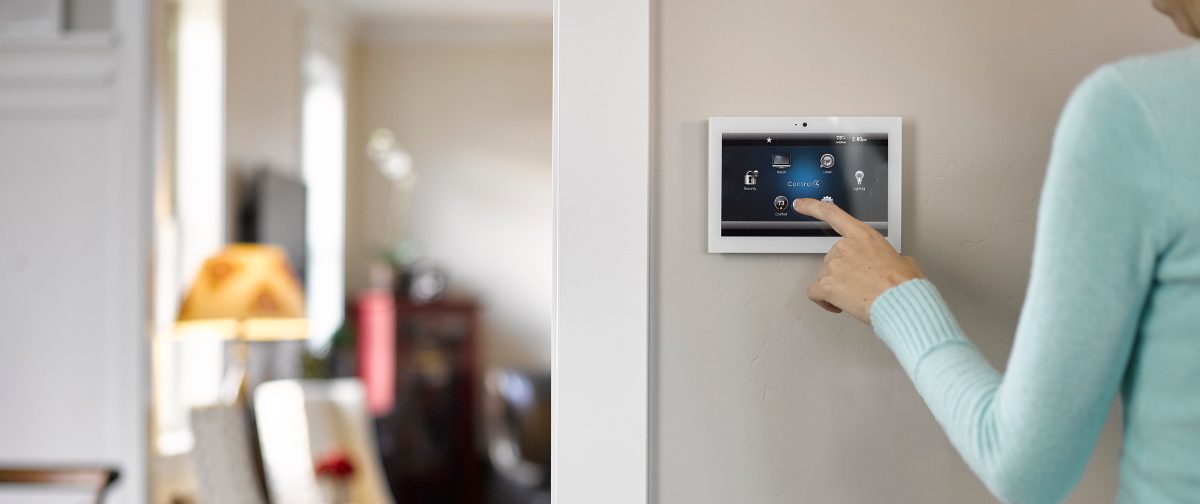
One of the primary catalysts behind the evolution of home security is the proliferation of smart-home devices and Internet of Things (IoT) platforms. As more homes adopt connected thermostats, lighting systems, voice assistants, and cameras, security systems no longer operate in isolation. Instead, they become embedded within a broader ecosystem. For example, a smart lock may communicate with a video doorbell, which in turn triggers lighting or sends alerts via smartphone. This convergence of devices raises the bar for what effective home protection means.
Technology Innovation and Artificial Intelligence
Advances in artificial intelligence and machine learning are transforming how home security functions. Modern systems employ facial recognition, behavioral analytics, voice commands, cloud-based pattern detection, and predictive algorithms that identify threats before they fully materialize. AI-based surveillance and automation are among the key factors driving growth in the home-security market. For homeowners, this means systems that not only respond to events but anticipate them.
Shift from Passive to Active Security Posture
Traditionally, many home-security setups were reactive: an alarm would sound when an intrusion occurred, and perhaps a monitoring service dispatched emergency personnel. But the industry is shifting toward a proactive model: systems that monitor continuously, evaluate risk in real time, and trigger interventions before or as an event unfolds. This marks a paradigm shift in how homeowners approach safety and risk mitigation.
Heightened Awareness of Cybersecurity and Data Privacy
Because many modern home security devices are connected to networks, collecting and transmitting data, the risk landscape has expanded beyond purely physical threats. Cyberattacks, data breaches, device vulnerabilities, and privacy concerns now feature prominently in security discussions. Homeowners must consider not just how to lock the front door, but how to ensure their network and devices resist hacking or spoofing.
Urbanization, Demographics, and Changing Living Patterns
Demographic and societal shifts are also contributing to how home security is being redefined. More people live in urban apartments or multi-use buildings with tighter security needs. Aging populations, single households, and remote-work lifestyles all influence the kinds of security solutions that make sense. The demand for integrated monitoring, alerts, wellness check-ins, and environmental hazard detection is growing alongside traditional break-in protection.
Key Trends Redefining Home Security
Smart, Connected Systems and Unified Platforms
One of the most notable shifts in home security is the move from standalone, siloed devices to unified, connected platforms that integrate cameras, sensors, locks, alarms, and smart-home systems. Unified platforms enable centralized monitoring, unified control via mobile apps, and data sharing across devices. This convergence improves responsiveness, simplifies the user experience, and centralizes data for analytics and pattern detection. For homeowners, it means a holistic security ecosystem that watches over access, occupancy, environment, and risk in one place.
Artificial Intelligence and Predictive Analytics
The incorporation of AI into home security has shifted systems from simple alarms to intelligent platforms capable of distinguishing between threats, reducing false alarms, learning occupant behavior, and responding dynamically. For example, a camera could identify the difference between a stray cat and a human intruder, or a sensor might recognize a movement pattern indicative of a break-in attempt. For homeowners, this means smarter, more proactive security with greater accuracy over time.
Biometrics and Advanced Access Control
Access control is no longer confined to deadlocks and keypad codes. The modern home security ecosystem increasingly incorporates biometric authentication—fingerprint, facial recognition, iris scans—and custom access profiles for guests, service personnel, or renters. Biometrics add convenience and security: no need to worry about lost keys, shared codes, or weak passwords. Advanced systems integrate biometrics with smart locks, video verification, and remote guest entry, giving homeowners both control and peace of mind.
Remote Monitoring, Mobile Control, and Voice Assistants
Modern homeowners expect to monitor and control their home security systems remotely via smartphones, tablets, and voice assistants. Whether checking live video feeds while away, locking doors from the office, or receiving notifications for unusual activity, remote access is now a baseline expectation. Voice control adds convenience: you can ask a smart speaker to show the front-door camera, lock the back gate, or arm the system when leaving. This trend transforms security into an extension of your lifestyle.
Environmental, Hazard, and Wellness Monitoring
While break-ins remain a core concern, the definition of home security is broadening to include environmental hazards such as smoke, carbon monoxide, flood, and fire, as well as wellness monitoring for seniors, children, or pets. Some systems integrate multi-threat detectors, sensors for water leaks, occupancy detectors for elderly homeowners, and smart analytics to alert family or emergency services. This trend expands the value proposition of home security to safeguarding people, pets, and the environment, not just property.
Cybersecurity and Data Protection as a Core Pillar
As more security systems rely on cloud services and connected devices, cybersecurity is a critical piece of the home security puzzle. Systems must provide strong encryption, multi-factor authentication, secure firmware updates, and dedicated cyber-protection services. Homeowners must evaluate not only the physical protection offered but also how robust the digital security measures are.
Do-It-Yourself (DIY) and Hybrid Installation Models
Historically, home-security systems were professionally installed and maintained. This is changing. The rise of DIY systems—plug-and-play cameras, self-monitoring apps, smart locks—makes home security accessible to more homeowners and renters. Hybrid models allow homeowners to self-install devices while opting for professional monitoring or cloud services. This provides flexibility depending on risk tolerance, budget, and personal preferences.
Wireless, Battery-Powered Solutions and Flexible Deployment
Wireless devices, battery-powered sensors, cellular backup, and flexible deployment options are transforming home security. These solutions reduce the need for wiring and professional installation, enabling renters and urban dwellers to adopt advanced systems easily. Battery backup ensures operations during power outages, providing homeowners with flexible and reliable protection.
Integration with Smart Cities and Community Systems
A growing trend is integrating home security systems with broader community and smart-city infrastructure. Shared networks, neighborhood alerts, municipal data feeds, and mobile app integrations create a connected ecosystem. This allows individual homeowners to participate in community-led security and benefit from aggregated threat intelligence, enhancing overall safety.
Sustainability, Energy Efficiency, and Ethical Considerations
Homeowners increasingly demand energy-efficient and environmentally friendly home security devices. Manufacturers respond with low-power sensors, long-life batteries, solar-powered cameras, and recyclable materials. Privacy concerns are also central: ethical surveillance and data-minimization practices ensure that security systems protect homeowners while respecting their privacy.
What These Trends Mean for Homeowners and Practitioners
Choosing the Right System
Selecting the right home security system means aligning with your specific risk profile. Whether concerned with break-ins, environmental hazards, or wellness monitoring, the right combination of AI, biometrics, remote monitoring, and integrated platforms is crucial. The days of a basic alarm panel are over; modern security solutions must be tailored to your lifestyle and environment.
Budgeting for the Future
Rapid technological advancements in home security require homeowners to consider scalability, firmware updates, cloud analytics, and third-party integrations. Budgeting should account for ongoing monitoring fees, subscription services, battery replacements, cybersecurity protections, and potential professional servicing.
Balancing Convenience and Security
The convergence of smart-home devices and security brings convenience but also new vulnerabilities. Biometric locks, voice commands, and app-controlled systems are powerful tools, but homeowners must ensure that these features do not compromise security. Strong encryption, firmware updates, and multi-factor authentication are essential safeguards.
Understanding Privacy and Data Implications
Connected devices generate data including video feeds, access logs, and behavioral patterns. Privacy-conscious homeowners must evaluate how data is stored, who has access, and how long it is retained. Ensuring a balance between monitoring and privacy is now a critical part of home security decisions.
Integration with Home Automation and Smart Living
Home security should be viewed as part of a larger smart-home ecosystem. Integration with smart thermostats, lighting, voice assistants, and wellness sensors provides unified control and enhanced protection. Compatibility with existing devices and future-proofing are key considerations.
Professional Monitoring vs. DIY
DIY systems now offer many features of professionally installed solutions. However, high-risk homes may still benefit from professional monitoring, rapid emergency response, and full-service installation. Choosing the right model depends on risk tolerance, technical comfort, and budget.
Location-Based Factors
Optimal home security solutions differ depending on living environment—urban vs. rural, renters vs. homeowners, apartment vs. detached home. Understanding these factors ensures the system meets your unique needs and lifestyle.
Challenges and Considerations for Modern Home Security
Device Interoperability
Fragmentation among devices can limit effectiveness. Selecting systems that adhere to open standards and support future integrations is essential to avoid silos or incompatibility issues.
False Alarms
Even with AI, false alarms can occur. Customizing alert thresholds and balancing automation with human verification improves system reliability.
Privacy and Legal Implications
Monitoring raises ethical and legal considerations. Homeowners must comply with privacy laws and consider the impact of surveillance on occupants and neighbors.
Cybersecurity Risks
Connected devices introduce vulnerabilities. Changing default passwords, performing timely updates, and securing wireless networks are critical to prevent intrusion.
Device Longevity and Support
Smart devices may have limited lifespans. Ensuring ongoing support, firmware updates, and ecosystem vitality is crucial for maintaining effective home security.
Cost vs. Benefit
Advanced features can increase costs. Homeowners must weigh desired functionalities against actual risks and lifestyle needs to ensure value from their investment.
Strategic Recommendations
For Homeowners
Define threat profiles, prioritize integration, evaluate cybersecurity, balance DIY vs. professional monitoring, ensure ongoing support, manage alerts effectively, plan for upgrades, and educate all household members on system usage.
For Security Professionals
Emphasize holistic solutions, focus on cybersecurity credentials, offer flexible models, educate clients on future-proofing, address privacy proactively, provide alert-management training, and stay current on technological trends.
Case Studies
Case Study A: A tech-savvy urban renter installs a wireless kit including a smart doorbell camera, multi-sensor motion units, a smart lock, and voice-controlled hub integration. Cybersecurity is ensured via a secure network, providing accessible, flexible protection.
Case Study B: A suburban homeowner installs a professionally monitored system with AI-enabled cameras, biometric locks, wellness sensors, multi-threat detectors, and smart-home integration. The vendor provides automatic firmware updates and cybersecurity audits, exemplifying advanced trends.
Looking Ahead
Future home security developments include greater AI autonomy, deeper wellness and environmental monitoring, integration with community networks, cybersecurity certifications, ethical surveillance, sustainability, and global adoption. These trends will redefine how homes are protected in the connected world.
Conclusion
The field of home security has evolved from simple alarms to integrated, intelligent, and adaptive systems. Smart-home integration, AI analytics, biometrics, remote monitoring, environmental hazard detection, cybersecurity, and sustainability are transforming the industry. Understanding these trends allows homeowners to make informed choices and ensures that investments protect both property and occupants effectively. You can find more details on our homepage.
Frequently Asked Questions
What is the most important feature to look for in a modern home security system?
Prioritize integration, cybersecurity, and scalability. The system should work with your smart-home devices, provide secure encryption, and allow for future expansion.
How do AI and machine-learning technologies improve home security?
AI enhances home security by recognizing patterns, distinguishing threats, reducing false alerts, and responding proactively. Cameras can identify intruders versus pets, improving accuracy and reliability.
Are wireless, DIY security systems as reliable as professionally installed systems?
Modern DIY systems offer robust features like remote monitoring and smart locks. Professional installations still provide full-service monitoring and rapid response. Choice depends on risk, budget, and technical comfort.
How important is cybersecurity in a home-security system?
Cybersecurity is critical. Connected devices are vulnerable to hacking and data breaches. Homeowners should prioritize encryption, firmware updates, and transparent privacy policies to ensure protection.
What future trends should homeowners watch in home security?
Key trends include autonomous AI responses, wellness and environmental monitoring, smart-city integration, cybersecurity certification, ethical surveillance, and energy-efficient devices, all shaping the next generation of home protection.