The Allure of the Manaslu Trek
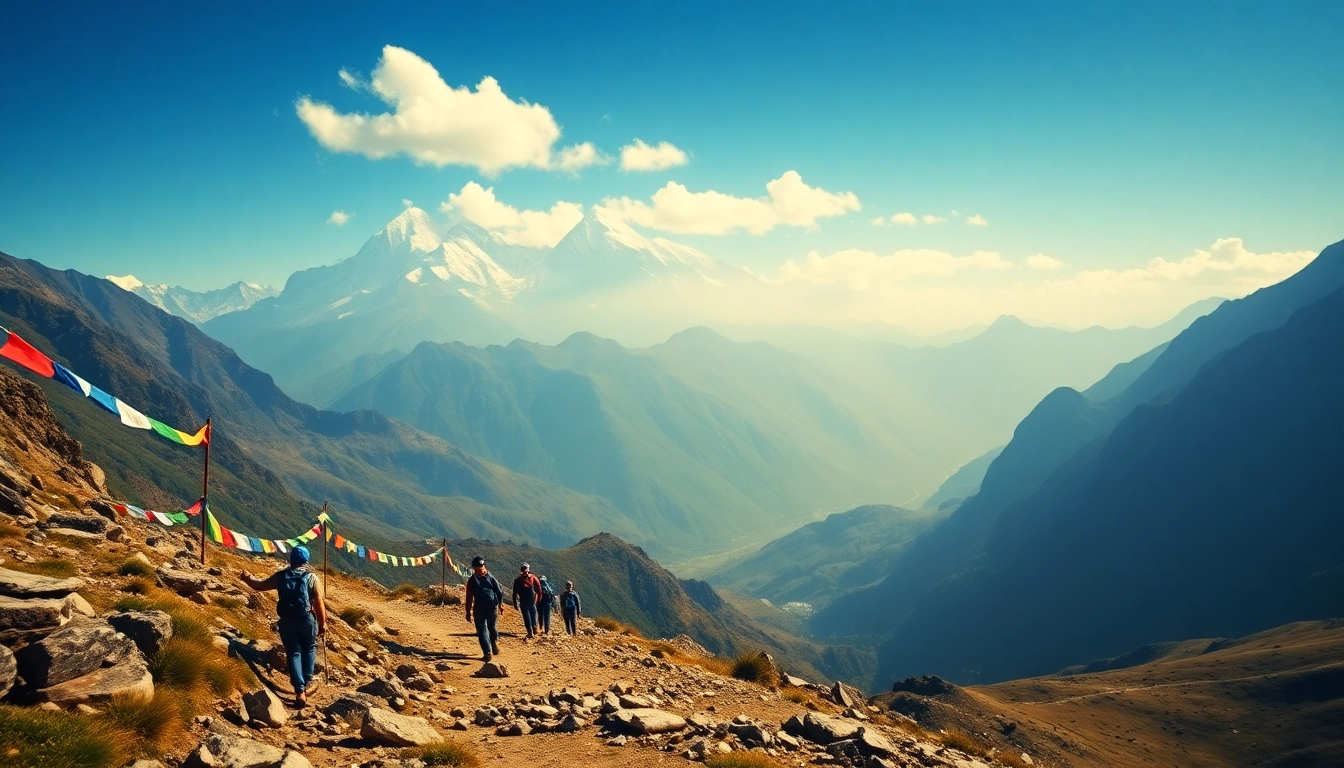
The manaslu trek is a captivating journey that takes travelers through one of Nepal's most stunning and less-explored trekking routes. Known for its breathtaking views, rich biodiversity, and authentic cultural experiences, the Manaslu Circuit offers a unique experience for trekkers seeking adventure away from the more crowded trails. This trek not only takes you around the majestic Mount Manaslu, the eighth-highest mountain in the world, but also immerses you in the vibrant local culture of the Gurung and Tibetan communities that thrive in the region.
What makes the Manaslu Circuit particularly special is its combination of natural beauty and cultural richness. As trekkers navigate through terraced fields, lush forests, and ancient monasteries, they are greeted by the warm hospitality of local villagers and the stunning panorama of the Himalayan range. The trek presents a perfect balance of challenge and reward, making it an ideal choice for both seasoned trekkers and adventurers hoping to experience the grandeur of the Himalayas.
Why Choose the Manaslu Trek?
Choosing the Manaslu Trek comes with a myriad of benefits that set it apart from other trekking experiences in Nepal. Unlike the more commercialized routes, the Manaslu Circuit is relatively tranquil, allowing trekkers to enjoy the journey at their own pace without the hustle and bustle of larger groups. This sense of solitude enhances the trekking experience, allowing a deeper connection with nature and oneself.
Moreover, the Manaslu Circuit is recognized for its ecological significance and cultural heritage. Trekkers are rewarded with glimpses of rare flora and fauna unique to the region, and the opportunity to interact with local communities offers a cultural exchange that enriches the journey. By choosing this trek, adventurers are supporting sustainable tourism practices that benefit local economies and promote conservation.
Unique Features of Manaslu Circuit
- Stunning Landscapes: The trek features diverse ecosystems ranging from subtropical forests to high-altitude deserts, providing breathtaking views throughout the journey.
- Cultural Immersion: Trekkers will encounter traditional Tibetan villages, ancient monasteries, and rich cultural practices, allowing for a profound understanding of local life.
- Less Crowded Trails: Compared to other popular treks like the Annapurna Circuit, the Manaslu Circuit offers a more serene trekking environment.
- Challenging Terrain: The trek involves crossing the challenging Larkya La Pass at an elevation of 5,160 meters, making it adventurous and physically demanding.
- Wildlife Encounters: The region is home to various species of birds and animals, providing opportunities for wildlife enthusiasts to spot unique creatures.
What to Expect on Your Trek
Embarking on the Manaslu Circuit Trek means preparing for an adventure that combines physical exertion with stunning vistas. The trek typically spans 15 days, covering several terrains and landscapes, from lush valleys to rugged mountain trails. Enthusiasts should expect to trek for about 6 to 8 hours daily, which includes several acclimatization days to help adjust to the altitude.
During the trek, accommodation is primarily in local teahouses, which, while basic, provide an authentic experience of life in the high Himalayas. Along the way, you'll have the opportunity to savor traditional Nepali and Tibetan cuisine, engage with local cultures, and witness mesmerizing sunrises over the towering peaks.
Planning Your Manaslu Trek
A well-planned trek is essential to ensure a safe and enjoyable experience on the Manaslu Circuit. Essential preparations include physical training, acquiring the necessary permits, and ensuring that you have the right gear for the trek.
Essential Gear and Packing List
Your gear will significantly impact your comfort and safety on the trek. Here’s a comprehensive packing list:
- Clothing: Layered clothing including thermal base layers, trekking pants, a waterproof jacket, and warm gloves. Don’t forget a wide-brimmed hat for sun protection.
- Footwear: A sturdy pair of trekking boots with good ankle support, and comfortable socks to prevent blisters.
- Camping Gear: A sleeping bag rated for cold weather, and a lightweight backpack for daily essentials.
- Health Essentials: A first aid kit including altitude sickness medication, personal medications, and water purification tablets.
- Extras: Trekking poles, a headlamp, sunscreen, and a camera to capture the stunning scenery.
Best Time to Trek Manaslu in 2025
The optimal periods for trekking in the Manaslu region are during the spring (March to May) and autumn (September to November). During these months, the weather conditions are generally stable with minimal rainfall, allowing for clear views of the mountains. Trekkers should be mindful of the monsoon season from June to August, which can lead to slippery trails and landslides, making hiking treacherous.
Understanding Trekking Permits
To trek in the Manaslu region, specific permits are required. The primary permits include:
- Manaslu Restricted Area Permit (MRAP): This is mandatory for all trekkers and aims to regulate the number of visitors to preserve the area's ecology and culture.
- Manaslu Conservation Area Permit (MCAP): This permit contributes to conservation efforts within the Manaslu area.
- Trekkers’ Information Management System (TIMS) Card: Required for all trekkers to help monitor and ensure their safety on the trail.
Navigating the Trekking Route
Understanding the route is crucial for a successful trek. The Manaslu Circuit spans approximately 177 kilometers (110 miles), with the trek typically taking around 15 days to complete.
Detailed Manaslu Trek Itinerary
A sample itinerary for the Manaslu Circuit Trek is as follows:
- Day 1: Arrival in Kathmandu – Transfer to hotel.
- Day 2: Drive to Machha Khola.
- Day 3: Trek to Jagat.
- Day 4: Trek to Deng.
- Day 5: Trek to Namrung.
- Day 6: Trek to Lho.
- Day 7: Trek to Samagaon.
- Day 8: Acclimatization day at Samagaon.
- Day 9: Trek to Samdo.
- Day 10: Trek to Dharmashala.
- Day 11: Trek to Bimthang via Larkya La Pass.
- Day 12: Trek to Goa.
- Day 13: Trek to Dharapani.
- Day 14: Drive back to Kathmandu.
- Day 15: Departure.
Key Highlights Along the Route
The trek is dotted with various highlights that make the journey worthwhile:
- Birendra Lake: A stunning glacial lake that offers a perfect resting point during your acclimatization day.
- Larkya La Pass: The highest point of the trek, providing panoramic views of several majestic peaks.
- Local Villages: Engaging with the communities of Lho, Samagaon, and more to experience their traditions firsthand.
Acclimatization Days and Why They Matter
Acclimatization is a crucial aspect of high-altitude trekking. The planned acclimatization day at Samagaon allows your body to adjust to the altitude, minimizing the risk of altitude sickness. Use this day to explore the area, learn about local culture, and prepare for the upcoming challenges of the trek.
Health and Safety Considerations
Your safety is paramount while trekking in remote areas like Manaslu. Understanding health risks and preparing accordingly is crucial.
Preventing Acute Mountain Sickness (AMS)
AMS can affect anyone at high altitudes, and prevention strategies include:
- Gradual ascent: Don’t rush your trek; allow ample time for acclimatization.
- Stay hydrated: Drink plenty of water to help your body adjust.
- Listen to your body: If you experience symptoms such as headaches or nausea, report them to your guide immediately.
Essential Safety Tips for Trekkers
To further ensure your safety on the trek, consider these tips:
- Travel with a reputable guide: Local guides are trained to handle emergencies and navigate the route safely.
- Limit alcohol and smoking: These can increase your risk of altitude sickness.
- Carry a personal first aid kit: Include essential medications and treatments for common ailments.
Emergency Protocols and Communication
Be aware of the emergency protocols outlined by your trekking company. Understand how to communicate your needs to your guide and the best methods for emergency evacuation, should the need arise.
Connecting with Local Culture and Community
One of the most rewarding aspects of the Manaslu Trek is the opportunity to connect with the local culture. This trek is deeply rooted in the traditions of the communities it traverses, offering trekkers a glimpse into the lives of the Gurung and Tibetan people.
Experiencing Local Cuisine on the Trek
Local food is an integral part of the Manaslu Trek experience. Expect hearty meals such as traditional dal bhat, momos, and various vegetable dishes, often including garlic to help with acclimatization. Eating at teahouses not only fuels your body but also supports local families and communities.
Respecting Local Traditions and Practices
As you trek, it's vital to respect the customs and traditions of the local people. Simple gestures, such as greeting locals in their native language or being mindful of their cultural practices, go a long way in fostering positive interactions.
Impact of Tourism on Local Communities
While tourism can bring economic benefits, it's also essential to understand its impact on local communities. Responsible trekking practices, including minimizing waste and supporting local businesses, contribute to sustainable tourism that benefits both travelers and communities alike.