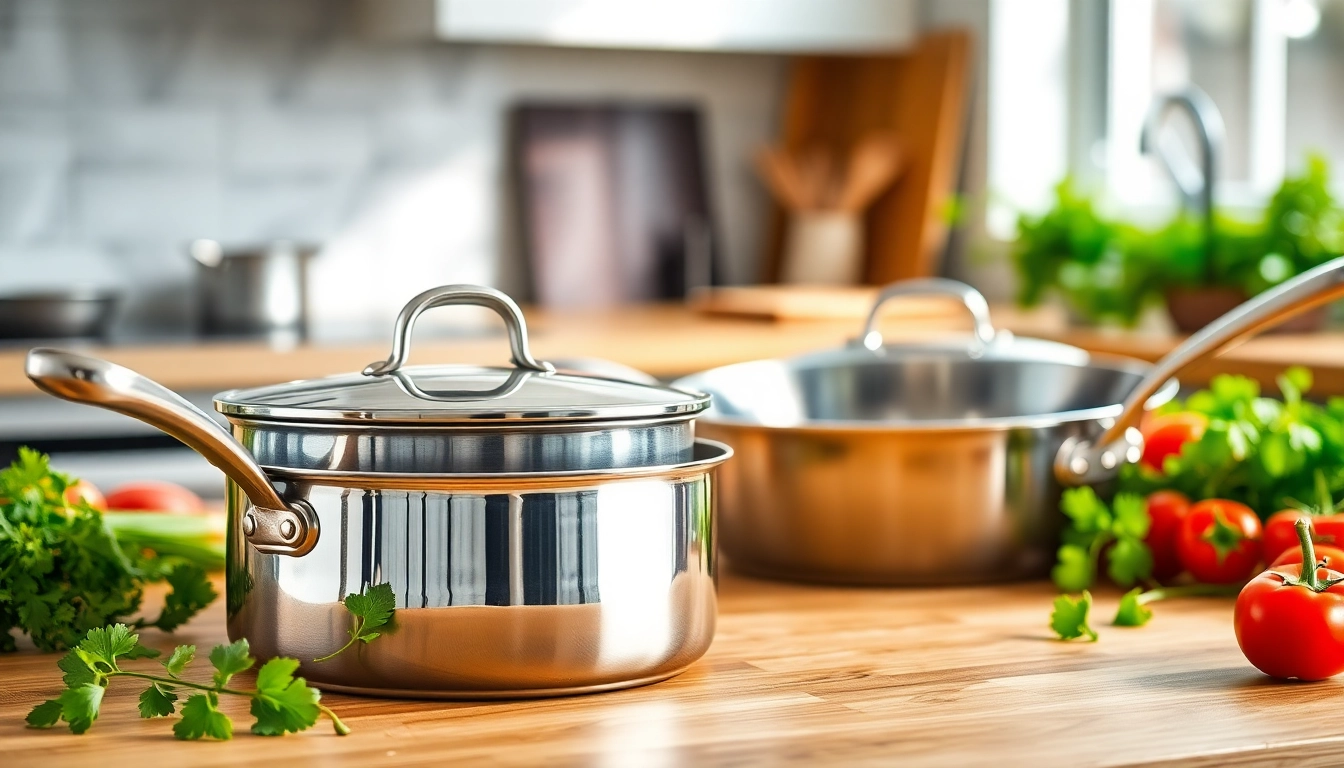
Understanding Stainless Steel Cookware NZ
What is Stainless Steel Cookware?
Stainless steel cookware is crafted from steel alloyed with chromium and nickel to enhance its durability, corrosion resistance, and sleek aesthetics. This combination creates a non-reactive surface that's perfect for cooking a wide range of dishes without imparting flavors. Stainless steel is known for its shiny surface and high resilience against scratches and dents, making it a practical choice for everyday cooking.
Benefits of Using Stainless Steel Cookware
Investing in stainless steel cookware NZ offers several advantages:
- Durability: Stainless steel cookware is incredibly long-lasting and resistant to rust and tarnishing, ensuring a lifetime of reliable performance.
- Versatility: Suitable for all cooking methods including induction, stainless steel cookware can be used on various stovetops and even in the oven.
- Non-reactive: Unlike some metals, stainless steel does not react with acidic or alkaline foods, preserving the flavors and nutrients of your dishes.
- Ease of Maintenance: This cookware can often be cleaned in the dishwasher and doesn’t require special cleaners.
Common Myths About Stainless Steel Cookware NZ
There are many misconceptions surrounding stainless steel cookware. One prevalent myth is that stainless steel is non-stick, which it is not. Food can stick to stainless steel if not used correctly. Another myth is that stainless steel cookware is too expensive; however, the durability and versatility of this cookware often make it a cost-effective choice over time. Lastly, some believe that stainless steel cooking requires special techniques, but basic cooking skills can suffice with the right tools and understanding.
Choosing the Right Stainless Steel Cookware NZ for Your Needs
Evaluating Cookware Features and Materials
When selecting stainless steel cookware, consider the construction quality. Look for pots and pans with a core of aluminum or copper, as these materials enhance heat distribution and cooking performance. Also, check for ergonomic handles that provide a secure grip, and lids that are designed to seal in moisture while allowing steam to escape.
Understanding Cookware Sizes and Set Options
Stainless steel cookware is available in an array of sizes and sets tailored to different cooking needs. A typical collection includes a variety of pots and pans, with sizes ranging from small saucepans to large stock pots. For those who frequently cook for large families or host gatherings, investing in a larger set might be beneficial. Additionally, consider specialty pans, such as frying or sauté pans, that cater to specific cooking styles.
Pricing Considerations for Quality Cookware NZ
The price of stainless steel cookware can vary based on brand, quality, and material composition. High-quality cookware may have a higher initial cost, but due to its durability and performance, it can offer better value over time. Look for reputable brands that offer warranties or guarantees, as these can indicate trust in the product's longevity and performance.
Care and Maintenance of Stainless Steel Cookware NZ
Cleaning Methods for Stainless Steel Cookware
Cleaning stainless steel is straightforward; most cookware can simply be washed with warm, soapy water and a non-abrasive sponge. For tough stains or burnt-on food, baking soda can be an effective scrub. Mixing baking soda with water creates a paste; apply it to the affected areas and scrub gently.
How to Prevent Discoloration and Damage
To maintain the shiny finish of your stainless steel cookware, avoid cooking acidic foods which can lead to discoloration. Always allow your cookware to cool before washing it, and use vinegar or a mild cleaner to restore the luster if it dulls.
Tips for Prolonging the Lifespan of Your Cookware
Proper care is essential for prolonging the life of stainless steel cookware. Always use utensils that are safe for stainless steel; silicone or wooden tools are recommended. Additionally, avoid stacking pots and pans within each other unless adequately cushioned, as this can help prevent scratches.
Cooking Techniques and Tips with Stainless Steel Cookware NZ
Essential Cooking Techniques for Best Results
To ensure optimal performance when cooking with stainless steel, proper preheating is critical. Always preheat your pan to the desired temperature before adding oil or food. This technique creates a natural non-stick surface and helps prevent food from sticking. Using the right amount of oil is also vital; it not only enhances flavor but also aids in achieving the desired texture.
Recipes Perfect for Stainless Steel Cookware
Stainless steel cookware is versatile enough for a variety of recipes. From searing meats to sautéing vegetables, the possibilities are endless. Consider trying recipes like perfectly pan-seared scallops, creamy risotto, or vegetable stir-fry, all of which benefit from the heat conduction properties of stainless steel.
Common Mistakes to Avoid While Cooking
One common mistake is overcrowding the pan. Doing so can lower the pan's temperature too much, resulting in steaming instead of searing. Always ensure there's enough space for food to cook evenly. Another mistake is failing to preheat the cookware, which can lead to food sticking and uneven cooking.
Frequently Asked Questions About Stainless Steel Cookware NZ
What are the downsides to stainless steel cookware?
Some drawbacks include poor heat retention compared to materials like cast iron and a heavier weight compared to aluminum. Additionally, stainless steel can scratch if not handled with care.
Can I use stainless steel cookware on all stovetops?
Yes, stainless steel cookware is compatible with gas, electric, induction, and ceramic stovetops, making it incredibly versatile for various cooking environments.
How do I prevent food from sticking to stainless steel pans?
To prevent sticking, preheat the pan properly and use adequate oil or butter. Let food develop a sear before attempting to flip or stir, which helps create a natural non-stick surface.
Is stainless steel cookware safe for health?
Yes, stainless steel cookware does not react with food, making it a safe choice. It also does not contain harmful chemicals often found in non-stick coatings.
What's the best way to clean stainless steel cookware?
Cleaning stainless steel cookware involves using warm soapy water and a soft eraser sponge. For tougher stains, vinegar or a baking soda paste can restore surface luster without scratching.