
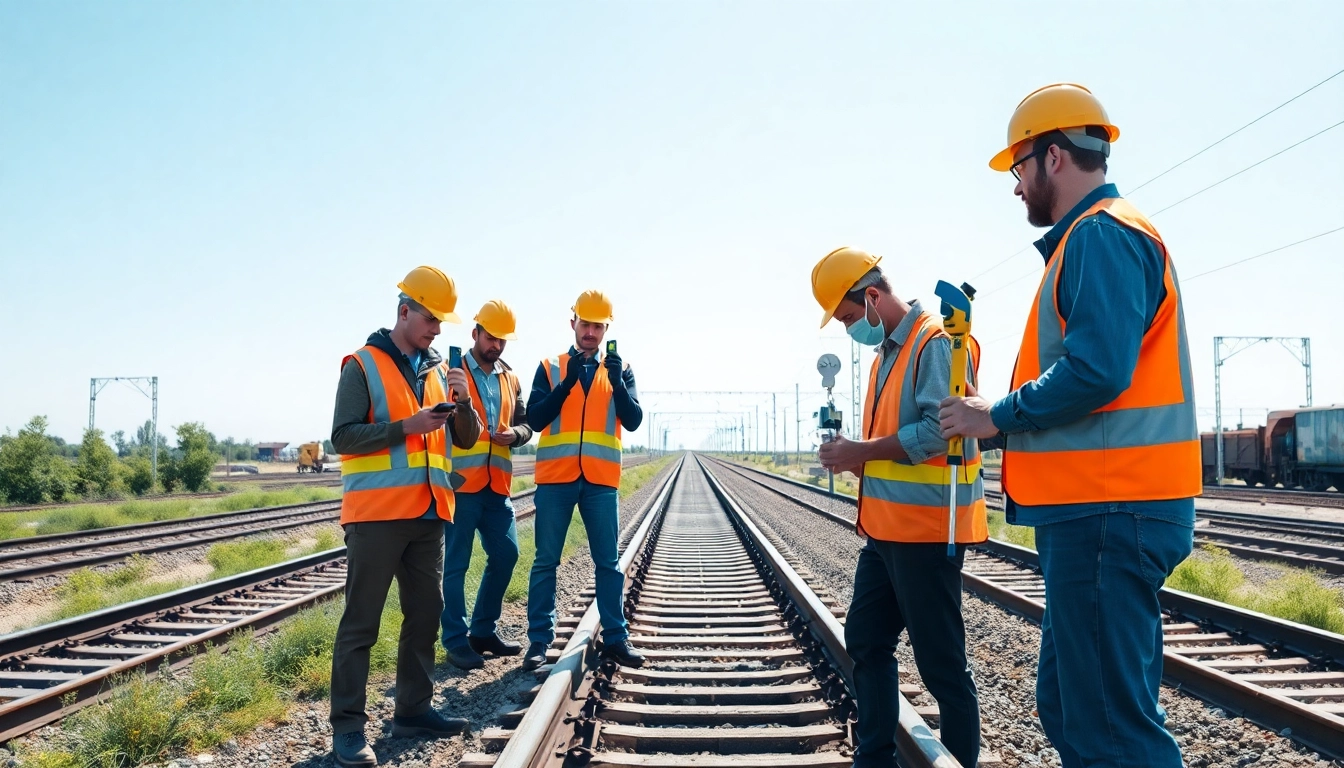
Introduction to Railroad Engineering
What is Railroad Engineering?
Railroad Engineering encompasses the principles and practices involved in the design, construction, maintenance, and operation of rail transportation systems. It integrates disciplines such as civil engineering, mechanical engineering, and electrical engineering to create safe and efficient rail networks. Professionals in this field analyze track layouts, signaling systems, and rolling stock (trains and rail vehicles) to optimize performance and ensure safety. The complexities of Railroad Engineering require a deep understanding of both the technology and the infrastructure that supports modern rail traffic.
Historical Evolution of Railroad Engineering
The history of railroad engineering dates back to the early 19th century when the first steam-powered locomotives were developed. The emergence of railroads revolutionized transportation, enabling faster movement of goods and people compared to previous methods. Over the years, advancements in steel production, rail design, and locomotive technology have dramatically transformed the landscape of rail transportation. Notably, the introduction of standardized gauge tracks and automatic signaling systems enhanced safety and efficiency, laying the groundwork for modern practices in railroad engineering.
The Importance of Railroad Engineering
Railroad engineering plays a pivotal role in supporting economic growth and meeting the transportation needs of society. Efficient rail networks reduce congestion on roads, lower carbon emissions compared to trucking, and facilitate the swift movement of bulk goods, which is critical for industries. Additionally, advancements in railroad engineering promote safety, reduce operational costs, and enhance passenger experiences, making it an essential component of national and global infrastructure.
Core Components of Railroad Engineering
Track Design and Maintenance
Track design is fundamental to the functionality of railroads. Engineers must consider factors like terrain, expected traffic loads, and speed limits when designing tracks. Regular maintenance is equally crucial, encompassing inspections, repairs, and rail refurbishments to ensure safety and reliability. Advanced technologies like track geometry cars help monitor track conditions in real-time, providing data that facilitates proactive maintenance and reduces the likelihood of failures.
Signaling and Safety Systems
Signaling systems are the nervous system of any railway. They regulate train movements, prevent collisions, and enhance operational efficiency. Modern signaling systems utilize technologies like Automatic Train Protection (ATP) and Communication-Based Train Control (CBTC) to provide real-time information to engineers and conductors. These advancements significantly improve safety, allowing for increased train frequencies on existing tracks and reducing the need for costly new construction.
Rolling Stock: Types and Technologies
Rolling stock refers to all vehicles that move on a railway track. This category includes locomotives, passenger coaches, freight cars, and maintenance vehicles. Innovations in rolling stock incorporate lightweight materials, improved aerodynamics, and enhanced energy efficiency. For instance, hybrid and electric locomotives are emerging as sustainable alternatives, reducing greenhouse gas emissions while maintaining high-performance standards. Efficient design not only enhances operational efficiency but also directly impacts the overall sustainability of the railroad sector.
Innovative Approaches in Railroad Engineering
Utilizing Modern Materials
Modern materials such as high-strength steel, composites, and cloud-based technologies are revolutionizing railroad engineering. Lightweight materials can enhance the energy efficiency of trains while ensuring structural integrity. Innovations in rail construction techniques, such as the use of prefabricated segments, allow faster assembly times and reduce overall project costs. These materials and techniques also contribute to a reduced environmental footprint.
Smart Infrastructure and IoT Integration
The integration of Internet of Things (IoT) technologies is shaping the future of railroad infrastructure. Smart sensors are being employed to monitor track conditions, train performance, and even weather impacts. This data-driven approach enables real-time decision-making, improving operational efficiency and safety. By employing predictive analytics, rail companies can anticipate maintenance needs before they become critical issues, thereby enhancing service reliability and customer satisfaction.
Environmental Sustainability in Railroad Engineering
As global awareness of environmental issues rises, railroad engineering is shifting towards sustainable practices. From electrifying routes to using renewable energy sources, the rail industry is making strides in reducing its carbon footprint. Furthermore, the development of more energy-efficient train designs and optimizing operational practices contribute to a greener future. Sustainability is not just an ethical imperative; it also offers financial benefits by reducing fuel costs and optimizing resource usage.
Challenges in Railroad Engineering
Infrastructure Aging and Upgrades
Many rail networks are grappling with aging infrastructure, which can lead to safety risks and operational challenges. Upgrading these systems requires significant investment and careful planning. Engineers must prioritize which infrastructure upgrades will yield the best return on investment while simultaneously preparing for future demands. Utilizing advanced modeling techniques can help identify key areas in need of enhancement and optimize project timelines and costs.
Safety Challenges and Regulations
Railroad safety is regulated by a plethora of local, national, and international guidelines. The challenge lies in staying compliant while integrating new technologies that enhance safety. Navigating the regulatory environment requires continuous education and adaptation. Engaging in regular audits, safety drills, and training programs can help ensure that engineers and operators are always aligned with the latest safety standards and practices.
Funding and Economic Factors
Financing railroad projects is an ongoing challenge, often requiring partnerships between public and private sectors. Economic fluctuations can impact funding availability, making it essential for project managers to develop sustainable financial models. Leveraging federal grants, collaborating with investors, and emphasizing the long-term economic benefits of rail infrastructure can help secure necessary funding for critical projects.
The Future of Railroad Engineering
Emerging Technologies: AI and Automation
Artificial intelligence (AI) and automation are poised to transform railroad engineering. AI can optimize schedules, improve predictive maintenance, and even enhance safety through real-time monitoring systems. The integration of automated trains and drones for track inspections offers unprecedented efficiency gains. As these technologies advance, railroad engineers must remain adaptable and innovative, continually reassessing their methodologies to integrate these tools effectively.
Global Trends in Railroad Infrastructure
Globally, there is a concerted effort to modernize rail networks to accommodate increasing urbanization and shifting freight demands. High-speed rail initiatives and enhanced intermodal connections are critical components of these trends. Understanding global benchmarks and success stories can inspire local engineers and stakeholders to adopt best practices and promote investments in rail infrastructure, fostering a more connected and efficient transportation ecosystem.
How to Stay Ahead in Railroad Engineering
Professionals in railroad engineering must engage in continuous learning and development to stay at the forefront of the industry. Networking with peers, attending conferences, and leveraging online resources can provide valuable insights into the latest trends and technologies. Collaborating with universities and research institutions can also foster innovation. By prioritizing education and adaptability, engineers can ensure they are equipped to meet future challenges head-on.
FAQs About Railroad Engineering
What are the main roles in railroad engineering?
Main roles include track engineers, signaling engineers, rolling stock engineers, and maintenance specialists, each focusing on specific aspects of the rail network.
How does railroad engineering affect safety?
Railroad engineering directly impacts safety through track design, signaling systems, and regular maintenance, which help prevent accidents and ensure reliable operations.
What innovations are affecting railroad engineering today?
Innovations such as IoT technology, AI, modern materials, and sustainable practices are significantly transforming railroad engineering, enhancing efficiency and safety.
How can communities benefit from improved rail systems?
Improved rail systems promote economic growth, reduce traffic congestion, lower emissions, and enhance access to regional and national markets for local businesses.
What future trends should railroad engineers watch for?
Future trends include automation, sustainable practices, high-speed rail developments, and advancements in materials and technologies that enhance operational efficiency.
